3D SVG Shadow Box Mandala in 4 Layers: A Creative and Technical Exploration
The 3D SVG Shadow Box Mandala in 4 Layers is a fascinating blend of art, design, and technology. It combines the intricate beauty of mandalas with the precision of digital illustration, offering a unique way to explore creativity and visual storytelling. This article will guide you through what this concept is, why it matters, and how it can be used in various contexts—from personal projects to professional applications.
What Is a 3D SVG Shadow Box Mandala?
A mandala is a symbolic representation of the universe, often used in spiritual practices and artistic expression. Traditionally, mandalas are symmetrical and intricate, designed to promote focus and meditation. The 3D SVG Shadow Box Mandala in 4 Layers takes this idea and transforms it into a digital format using SVG (Scalable Vector Graphics), allowing for dynamic and interactive visual experiences.
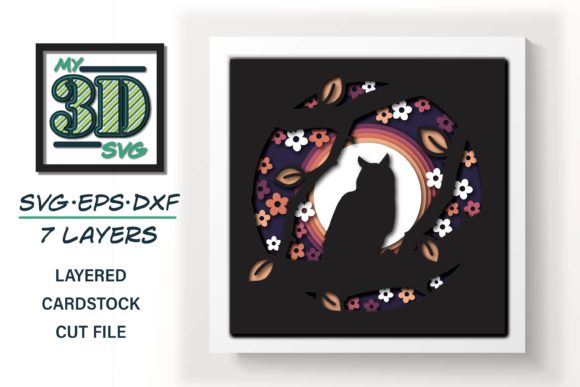
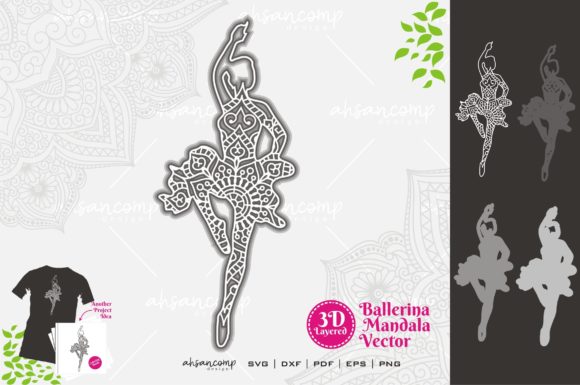
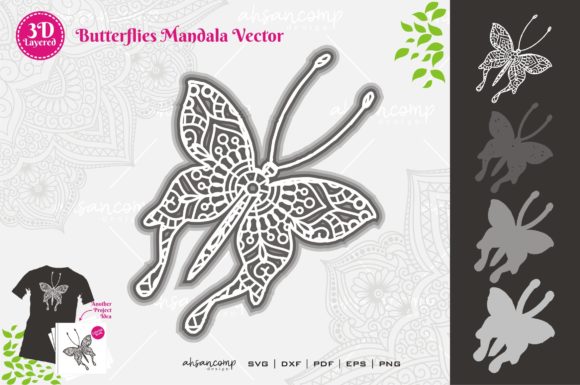
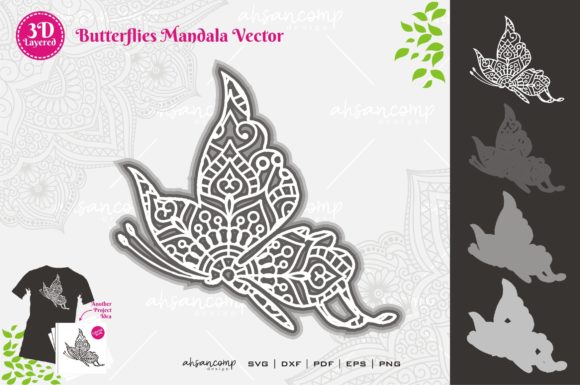
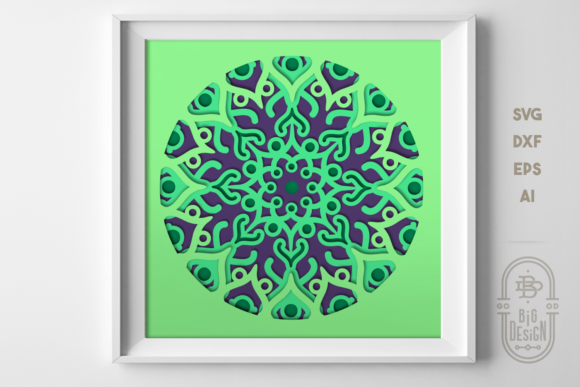
The term "shadow box" refers to a layered composition that creates depth and dimensionality. In this case, the mandala is divided into four distinct layers, each contributing to the overall visual complexity. These layers might include background elements, central patterns, foreground details, and shadow effects, all working together to create a sense of three-dimensionality.
Why 4 Layers? Understanding the Structure
The choice of four layers in a 3D SVG Shadow Box Mandala is not arbitrary. Each layer serves a specific purpose:
- Layer 1: Background Elements – This could include subtle textures, gradients, or abstract shapes that set the tone for the entire design.
- Layer 2: Central Pattern – The core of the mandala, where the main geometric or floral designs are placed. This layer is usually the most detailed and visually striking.
- Layer 3: Foreground Details – Additional elements that add depth, such as small symbols, lines, or decorative motifs.
- Layer 4: Shadow Effects – The final layer adds realism by simulating light and shadow, making the design appear more lifelike and engaging.
This structure allows for greater control over the visual hierarchy and ensures that each part of the design contributes to the overall aesthetic without overwhelming the viewer.
The Role of SVG in Digital Art
SVG (Scalable Vector Graphics) is an XML-based file format used to describe two-dimensional graphics. Unlike raster images (such as JPEGs or PNGs), SVGs are resolution-independent, meaning they can scale to any size without losing quality. This makes them ideal for creating detailed and complex designs like the 3D SVG Shadow Box Mandala.
One of the key advantages of SVG is its ability to support interactivity and animation. With the right tools, a 3D SVG Shadow Box Mandala can be made to respond to user input, such as hover effects or click interactions, enhancing the user experience.
Practical Applications in Modern Life
The 3D SVG Shadow Box Mandala is not just a piece of digital art—it has practical relevance in various fields:
Education and Learning
In educational settings, these designs can be used to teach geometry, symmetry, and visual literacy. Students can analyze the structure of the mandala, understand the principles of layering, and even create their own versions using SVG editors.
Creativity and Artistic Expression
Artists and designers can use the 3D SVG Shadow Box Mandala as a starting point for their own creative projects. Its layered structure provides a framework for experimentation, allowing artists to explore different color schemes, patterns, and compositions.
Business and Marketing
Companies can incorporate these designs into branding materials, websites, or social media content. The visual appeal of a 3D SVG Shadow Box Mandala can help capture attention and convey a sense of sophistication and modernity.
Technology and Web Development
Developers can integrate SVG mandalas into web applications, using JavaScript or CSS to animate and interact with the layers. This opens up new possibilities for interactive storytelling, data visualization, and user interface design.
How to Create a 3D SVG Shadow Box Mandala
Creating a 3D SVG Shadow Box Mandala involves several steps:
- Conceptualization – Begin by sketching your design on paper or using a digital drawing tool. Decide on the number of layers, the types of elements, and the overall theme.
- Designing in SVG – Use an SVG editor like Adobe Illustrator, Inkscape, or Figma to create your layers. Ensure that each element is properly grouped and positioned within the canvas.
- Adding Depth and Shadows – Use SVG filters or gradient effects to simulate shadows and depth. This step is crucial for achieving the 3D look.
- Testing and Refining – Preview your design on different devices and screen sizes to ensure it looks good at any scale. Make adjustments as needed to improve clarity and aesthetics.
For those new to SVG, there are many online tutorials and resources that can help you get started. Platforms like CodePen, W3Schools, and SVG tutorial websites offer practical examples and code snippets to learn from.
Common Misconceptions About 3D SVG Mandalas
Despite their growing popularity, there are some common misunderstandings about 3D SVG Shadow Box Mandalas:
- Misconception 1: They Are Only for Spiritual Purposes – While mandalas have roots in spiritual traditions, modern interpretations like the 3D SVG Shadow Box Mandala are versatile and can be used in a wide range of contexts.
- Misconception 2: They Require Advanced Skills – While creating a complex design may take time, many tools and templates make it accessible to beginners. With practice, anyone can create a beautiful 3D SVG Shadow Box Mandala.
- Misconception 3: They Are Not Useful Beyond Aesthetics – As discussed earlier, these designs have practical applications in education, business, and technology, making them more than just decorative elements.
Conclusion: Embracing the Future of Digital Art
The 3D SVG Shadow Box Mandala in 4 Layers represents a convergence of tradition and innovation. By combining the timeless symbolism of mandalas with the flexibility of SVG technology, it offers a powerful tool for creative expression and technical exploration.
Whether you're an artist, educator, developer, or simply someone interested in digital design, understanding and experimenting with 3D SVG Shadow Box Mandalas can open up new possibilities. As technology continues to evolve, so too will the ways in which we create, share, and interact with digital art.