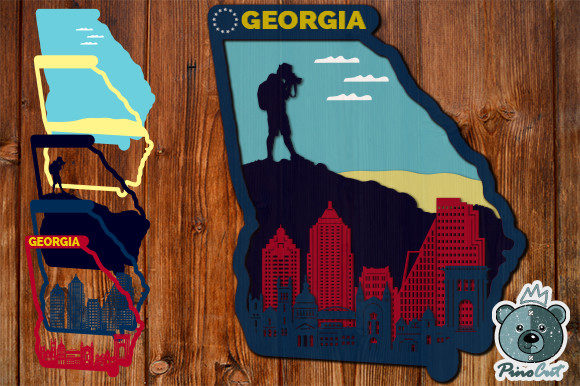
Georgia, 3D Layered Tropical Georgia: A Comprehensive Overview
Georgia, a state located in the southeastern region of the United States, is known for its diverse landscapes, rich history, and vibrant culture. Among the many aspects that make Georgia unique is the concept of "3D Layered Tropical Georgia," a term that has gained attention in recent years. This article explores what 3D Layered Tropical Georgia entails, why it might interest individuals, and how it compares to other options.
Understanding Georgia, 3D Layered Tropical Georgia
Georgia, 3D Layered Tropical Georgia refers to a specific approach or design that integrates elements of tropical environments into the natural and urban landscapes of Georgia. This concept involves creating layered, three-dimensional spaces that mimic the biodiversity and aesthetics of tropical regions. It can be applied in various contexts, such as landscape architecture, urban planning, and environmental restoration.
The idea behind 3D Layered Tropical Georgia is to enhance the visual and ecological value of areas by incorporating multiple layers of vegetation, water features, and other natural elements. This method not only improves the aesthetic appeal but also supports local wildlife, promotes biodiversity, and contributes to environmental sustainability.
Reasons for Interest in Georgia, 3D Layered Tropical Georgia
Individuals may be interested in Georgia, 3D Layered Tropical Georgia for several reasons. One primary factor is the desire to create more sustainable and environmentally friendly spaces. By integrating tropical elements, communities can reduce their carbon footprint and promote ecological balance. Additionally, the aesthetic appeal of such designs can enhance property values and improve quality of life.
Another reason for interest is the potential for tourism and recreation. Areas that incorporate 3D Layered Tropical Georgia can attract visitors looking for unique experiences, such as nature walks, birdwatching, or eco-tourism activities. This can lead to economic benefits for local businesses and communities.
Furthermore, the concept aligns with broader trends in urban development and green infrastructure. As cities seek to become more livable and resilient, 3D Layered Tropical Georgia offers a practical solution for integrating nature into urban settings.
Benefits and Tradeoffs of Georgia, 3D Layered Tropical Georgia
There are several benefits to adopting Georgia, 3D Layered Tropical Georgia. One significant advantage is the enhancement of biodiversity. By creating layered ecosystems, these designs support a wide range of plant and animal species, contributing to a healthier environment. Additionally, the use of native and tropical plants can improve soil health and water retention, making the area more resilient to climate change.
Another benefit is the improvement of mental and physical well-being. Studies have shown that access to green spaces can reduce stress, improve mood, and encourage physical activity. By incorporating tropical elements, communities can create inviting spaces that promote relaxation and social interaction.
However, there are also tradeoffs to consider. Implementing 3D Layered Tropical Georgia requires careful planning and maintenance. The complexity of layered ecosystems can lead to higher costs and more intensive management compared to traditional landscaping. Additionally, some tropical plants may not be suitable for Georgia's climate, requiring special care or alternative species.
It is also important to consider the long-term viability of such projects. While the initial investment may be substantial, ongoing maintenance and adaptation may be necessary to ensure the success of the design over time.
Situations Where Georgia, 3D Layered Tropical Georgia May Be a Strong Fit
Georgia, 3D Layered Tropical Georgia may be an excellent fit for communities seeking to enhance their environmental sustainability and aesthetic appeal. For example, urban areas looking to integrate green spaces into their infrastructure can benefit from this approach. Parks, public gardens, and community centers can all incorporate elements of 3D Layered Tropical Georgia to create more engaging and ecologically sound environments.
Additionally, this concept may be suitable for educational institutions and research facilities. By creating immersive, layered landscapes, these organizations can provide students and researchers with hands-on learning opportunities and valuable data on ecosystem dynamics.
For those involved in real estate development, 3D Layered Tropical Georgia can add value to properties by creating unique and attractive spaces that appeal to buyers and renters. This can be particularly beneficial in areas where land is limited or where developers aim to differentiate their projects in a competitive market.
Situations Where Alternatives May Be Worth Considering
While Georgia, 3D Layered Tropical Georgia offers many advantages, there are situations where alternatives may be more appropriate. For instance, in regions with harsher climates or limited resources, maintaining a complex layered ecosystem may be impractical. In such cases, simpler landscaping solutions that require less maintenance and are better suited to the local environment may be more viable.
Additionally, budget constraints can influence the decision to adopt 3D Layered Tropical Georgia. Communities or individuals with limited financial resources may find it challenging to invest in the planning, implementation, and ongoing care required for such projects. In these scenarios, alternative approaches that offer similar benefits at a lower cost may be more feasible.
It is also important to consider the goals and priorities of the stakeholders involved. If the primary objective is rapid development or cost efficiency, then a more straightforward approach may be preferable. However, if the focus is on long-term sustainability and environmental stewardship, then Georgia, 3D Layered Tropical Georgia could be a compelling choice.
Practical Decision-Making Insights
When evaluating whether Georgia, 3D Layered Tropical Georgia aligns with your goals or needs, it is essential to conduct thorough research and planning. Start by assessing the specific requirements of your project, including the available space, budget, and environmental conditions. Consulting with experts in landscape architecture, ecology, and urban planning can provide valuable insights and guidance.
Consider the long-term implications of implementing this concept. Will the design be able to adapt to changing environmental conditions? Are there sufficient resources to maintain the layered ecosystems over time? These questions can help determine the feasibility and effectiveness of the approach.
Finally, weigh the benefits against the potential challenges. While 3D Layered Tropical Georgia can offer significant advantages, it is important to be realistic about the effort and investment required. By carefully evaluating your options, you can make an informed decision that best suits your needs and objectives.