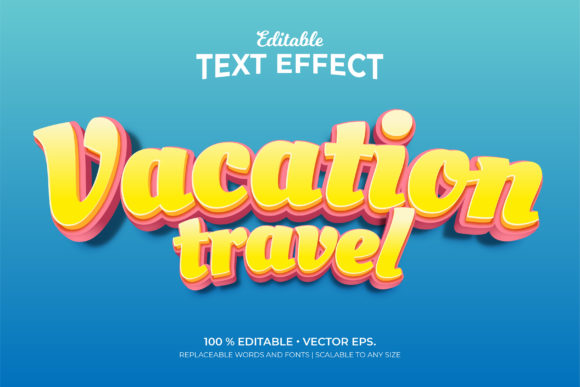
Vacation Travel 3D Editable Text Effects for Creative Workflows
Vacation Travel 3D Editable Text Effects offer a powerful tool for creators, marketers, and content producers looking to enhance visual storytelling. These effects allow users to add dynamic, three-dimensional text elements that can be customized and integrated into various projects. Whether designing social media posts, promotional materials, or digital presentations, this feature provides flexibility and precision in visual communication.
The integration of 3D text effects into vacation travel content helps capture attention and convey a sense of depth and realism. This is especially valuable when showcasing destinations, travel experiences, or promotional offers. By using these effects, designers can create more engaging visuals that stand out in a crowded digital space.
Understanding the Role of 3D Editable Text Effects in Workflow
Vacation Travel 3D Editable Text Effects fit naturally into several stages of a creative process. Before starting a project, they can serve as a planning tool, helping visualize how text will appear in different contexts. During development, they provide a way to experiment with typography, color, and layout without committing to final designs. After completion, they support revisions and updates, ensuring consistency across multiple platforms.
For example, a marketing team creating a campaign for a travel agency might use 3D text effects to design eye-catching headlines for email newsletters, website banners, and social media ads. The ability to edit these elements ensures that changes can be made quickly, saving time and resources.
Using 3D Text Effects in Different Phases of a Project
Before launching a new travel-related product or service, 3D editable text effects can be used to draft mockups and prototypes. This phase allows teams to test different styles and formats, ensuring that the final output aligns with brand guidelines and audience expectations. For instance, a travel blogger might use these effects to create a series of postcards or digital flyers that promote a new destination.
During the execution of a project, 3D text effects can streamline the design process. They reduce the need for manual adjustments, allowing designers to focus on other aspects of the work. A graphic designer working on a travel brochure could apply these effects to headings and captions, ensuring a cohesive look throughout the publication.
After a project is complete, 3D text effects remain useful for maintenance and updates. As trends evolve or new information becomes available, these effects enable quick modifications without requiring a complete redesign. A travel company updating its website might use them to refresh headlines and descriptions, keeping content fresh and relevant.
Integration with Other Tools and Resources
Vacation Travel 3D Editable Text Effects often work alongside other design and productivity tools. They can be imported into graphic design software like Adobe Photoshop, Illustrator, or After Effects, where they can be further refined. This compatibility makes it easier for professionals to incorporate these effects into existing workflows.
Additionally, these effects may interact with video editing platforms, animation tools, and content management systems. For example, a video editor creating a travel vlog might use 3D text effects to add titles and subtitles, enhancing the visual appeal of the final product. Similarly, a content manager updating a blog post could apply these effects to headers and call-to-action buttons, improving user engagement.
Practical Implementation Tips
To get the most out of Vacation Travel 3D Editable Text Effects, start by selecting the right software or platform. Many tools offer built-in templates and customization options, making it easier to achieve professional results. Consider factors such as ease of use, file format compatibility, and scalability when choosing a solution.
When implementing these effects, pay attention to details like font choice, color contrast, and placement. These elements influence how the text interacts with the background and other visual components. A well-designed 3D text element should enhance the overall composition rather than distract from it.
Another key tip is to maintain consistency across all materials. If using 3D text effects in a branding campaign, ensure that the style, size, and positioning match established guidelines. This creates a unified look and reinforces brand recognition.
Workflow Examples and Use Cases
A travel influencer planning a social media campaign might use 3D text effects to create visually striking captions for posts about exotic destinations. By customizing the text with relevant keywords and visuals, they can increase engagement and attract a larger audience.
A small business owner running a tour company could apply these effects to promotional videos, adding dynamic headlines that highlight unique experiences. This not only improves the quality of the content but also makes it more shareable and memorable.
For educational purposes, a travel educator teaching digital design might use 3D text effects to demonstrate advanced techniques. Students can practice applying these effects to real-world scenarios, gaining hands-on experience with industry-standard tools.
Factors to Consider for Long-Term Use
When incorporating Vacation Travel 3D Editable Text Effects into long-term projects, consider factors such as file organization, version control, and backup strategies. Keeping a structured library of text assets ensures that they can be reused and updated efficiently over time.
Usability is another important factor. Choose tools that are intuitive and offer clear documentation, reducing the learning curve for new users. This is particularly beneficial for teams with varying levels of technical expertise.
Finally, evaluate the performance of these effects in different environments. Test them on various devices and platforms to ensure that they display correctly and maintain their visual impact. This helps avoid issues that could affect user experience or brand perception.