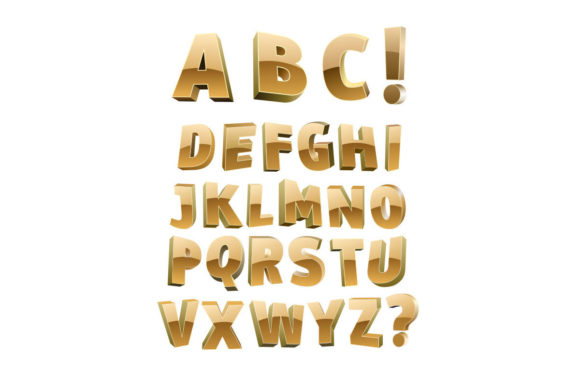
3D Alphabetic Clipart: Creative and Functional Design
3D alphabetic clipart offers a unique blend of visual appeal and practicality, making it a valuable tool for a wide range of users. Whether you're designing a logo, creating educational materials, or enhancing digital content, 3D alphabetic clipart can elevate your work with its depth, dimension, and versatility. This type of design is more than just a decorative element—it's a powerful asset that can improve communication, branding, and user engagement.
What Is 3D Alphabetic Clipart?
3D alphabetic clipart refers to digital images that represent letters in a three-dimensional format. Unlike traditional flat text or simple vector graphics, these designs use shading, perspective, and lighting to create the illusion of depth. The result is a visually striking representation of letters that stands out in any context. These cliparts are often used in graphic design, web development, marketing, and educational resources.
The appeal of 3D alphabetic clipart lies in its ability to add a sense of realism and sophistication to any project. It’s not just about looking good—it’s about making a statement. Whether you're working on a presentation, a website, or a print ad, 3D alphabetic clipart can help convey your message more effectively.
Key Characteristics and Strengths
One of the most notable features of 3D alphabetic clipart is its adaptability. These designs come in various styles, from sleek and modern to bold and dramatic, allowing you to choose the right look for your specific needs. They also maintain clarity at different sizes, which is essential for both digital and print use.
Another strength is their ability to enhance visual hierarchy. By using 3D elements, designers can draw attention to key messages or brand names, making them more memorable. This is particularly useful in marketing campaigns where visibility and impact matter.
Additionally, 3D alphabetic clipart supports a wide range of file formats, including PNG, SVG, and EPS, ensuring compatibility across platforms and software. This flexibility makes it easier to integrate into existing workflows without compromising quality.
Practical Applications Across Industries
From personal projects to large-scale commercial endeavors, 3D alphabetic clipart has a broad range of applications. For instance, educators can use it to create engaging lesson plans, presentations, and study materials that capture students' attention. In the business world, entrepreneurs and marketers can leverage it to develop eye-catching logos, banners, and social media visuals that stand out in crowded markets.
Freelancers and designers often incorporate 3D alphabetic clipart into their portfolios to showcase their skills and creativity. It adds a professional touch to websites, brochures, and other promotional materials. Meanwhile, hobbyists and artists may use it to add a unique flair to their personal projects, such as greeting cards, custom t-shirts, or digital art pieces.
In the digital space, 3D alphabetic clipart is ideal for web design, app interfaces, and UI/UX elements. Its dimensional quality helps break up text-heavy layouts, making content more digestible and visually appealing. It can also be animated or interactive, offering new ways to engage users.
Benefits for Users and Businesses
Using 3D alphabetic clipart can lead to several tangible benefits. For one, it improves usability by making information more accessible and engaging. A well-designed 3D letter can guide the viewer’s eye, highlight important details, and make complex ideas easier to understand.
It also enhances branding by reinforcing a company’s identity. A consistent use of 3D alphabetic clipart across marketing materials creates a cohesive look that strengthens brand recognition. This is especially valuable for businesses that want to build trust and loyalty among their audience.
From a productivity standpoint, 3D alphabetic clipart saves time. Instead of designing custom 3D letters from scratch, users can download and customize pre-made cliparts, streamlining the creative process. This is particularly beneficial for small teams or solo creators who need to deliver high-quality work quickly.
Choosing and Using 3D Alphabetic Clipart Effectively
When selecting 3D alphabetic clipart, consider the purpose and context of your project. Are you aiming for a professional, playful, or minimalist look? The style of the clipart should align with your overall design goals. Also, pay attention to licensing terms to ensure you’re using the artwork legally and appropriately.
It’s also important to test the clipart in different settings. Does it look good on a dark background? How does it scale when resized? These factors can affect the final outcome and user experience. If possible, experiment with different colors, effects, and placements to find the best fit for your needs.
For those new to 3D alphabetic clipart, start with simple designs and gradually explore more complex options. Many online marketplaces offer free and paid cliparts, so take advantage of these resources to build your collection. With practice and experimentation, you’ll discover how to use this tool to its fullest potential.
Real-World Examples and Recommendations
Consider a scenario where a teacher uses 3D alphabetic clipart to create an interactive classroom poster. The 3D letters catch students’ attention, making the learning experience more dynamic and memorable. Similarly, a small business owner might use 3D alphabetic clipart on their website to highlight a special promotion, drawing visitors’ eyes to key information.
For digital marketers, integrating 3D alphabetic clipart into social media posts can increase engagement. A visually compelling post with 3D text is more likely to be shared and remembered than a plain text version. In the publishing industry, authors and editors might use 3D alphabetic clipart to design book covers that stand out on digital shelves.
Ultimately, the key to success with 3D alphabetic clipart is to use it thoughtfully. Don’t rely on it as a substitute for good design—instead, let it enhance your work. Whether you're a seasoned designer or a beginner, there's always room to explore and innovate with this versatile tool.