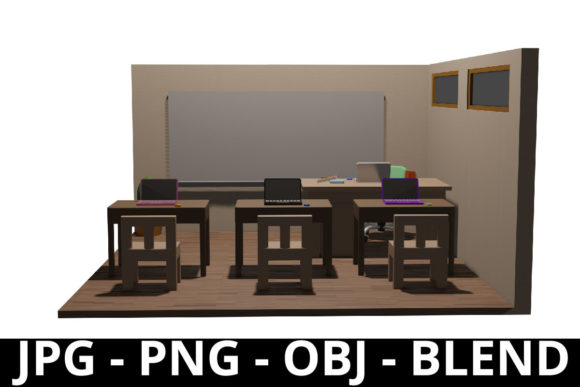
3D Rendering Classroom Perfect for Scene Design
Walk into any well-equipped digital arts facility today, and you will likely find a dedicated 3D rendering classroom. These spaces have evolved far beyond simple computer labs. They are purpose-built environments where hardware, software, lighting, and workflow converge to support the demanding task of scene creation. Whether you are an educator setting up a new lab, a freelancer considering a shared studio, or a business owner looking to train a team, understanding what makes a 3D rendering classroom perfect for scene work is essential. This article explores the real-world value of such a space, its core characteristics, and how it serves a wide range of professional and creative needs.
What a 3D Rendering Classroom Actually Delivers
A 3D rendering classroom is not simply a room filled with powerful computers. It is a controlled, optimized environment designed specifically for the iterative process of building, lighting, texturing, and rendering three-dimensional scenes. The term “perfect for scene” refers to the classroom’s ability to handle complex geometry, high-resolution textures, and physically accurate lighting simulations without bottlenecks. This means students, professionals, or team members can focus on artistic and technical decisions rather than fighting system crashes or slow viewport performance.
The utility of such a classroom extends across disciplines. Architects use it to visualize building interiors before a single brick is laid. Game developers assemble virtual worlds and test asset performance in real time. Film and animation teams pre-visualize shots, experiment with camera angles, and produce final-frame renders. For marketers and entrepreneurs, this environment enables product visualization, packaging mockups, and branded content that communicates ideas clearly without expensive physical prototypes.
Key Characteristics That Make It Work
Several qualities distinguish a well-designed 3D rendering classroom from a general-purpose computer lab. Understanding these can help you evaluate existing facilities or plan your own setup.
Hardware Built for Iteration
Rendering is computationally expensive, especially for scenes with heavy geometry, volumetrics, or global illumination. A classroom perfect for scene work uses workstations with high-core-count CPUs, ample RAM (32 GB or more is standard), and dedicated GPUs with substantial VRAM. This hardware allows artists to work interactively in viewports and run test renders quickly. Storage matters too. Fast NVMe drives reduce scene-loading times, and networked storage enables collaborative asset sharing without file duplication.
Calibrated Displays and Controlled Lighting
Color accuracy is non-negotiable when rendering scenes that will be used for client presentations or final production. Classrooms intended for serious rendering work often feature monitors with high color gamut coverage (Adobe RGB or DCI-P3) and hardware calibration support. Ambient lighting is carefully managed—usually dimmable, with neutral color temperatures—to reduce glare and eye strain during long sessions. This controlled environment helps artists evaluate their scenes under consistent conditions, making it easier to judge lighting, materials, and composition accurately.
Software Ecosystem and Licensing
A rendering classroom is only as effective as the software it supports. Common tools include Blender, Autodesk Maya, 3ds Max, Cinema 4D, Unreal Engine, and specialized renderers like V-Ray, Arnold, or Redshift. A well-run classroom provides pre-installed, licensed versions of these applications along with necessary plugins, asset libraries, and render farms. This eliminates setup friction and lets users focus on scene creation from the first session.
Collaborative Seating and Workflow
Scene creation is rarely a solo endeavor in professional contexts. Classroom layouts that facilitate peer review, pair working, or instructor walkthroughs add real value. Benching arrangements, dual-monitor setups, and shared screens allow team members to view each other’s progress, discuss lighting choices, or troubleshoot geometry issues together. This collaborative dynamic mirrors real studio environments and accelerates learning or production.
Practical Applications Across Different Environments
The phrase “3D rendering classroom perfect for scene” takes on specific meaning depending on who uses it and for what purpose. Below are common scenarios where such a space proves its worth.
Educational Institutions and Training Programs
Schools, universities, and bootcamps use rendering classrooms to teach foundational and advanced scene-building skills. Instructors can demonstrate complex techniques—such as subsurface scattering, caustics, or atmospheric fog—while students follow along on their own machines. Because the classroom is optimized for rendering, students can iterate on assignments more quickly, trying different lighting setups or material adjustments within a single class period. This hands-on repetition is far more effective than watching recorded tutorials or working on underpowered personal laptops.
For educators, the key benefit is efficiency. A well-equipped classroom reduces the gap between instruction and hands-on practice. Students spend less time waiting for renders and more time exploring creative choices. This directly improves engagement and learning outcomes.
Professional Studios and Creative Agencies
Small to mid-size studios often use shared rendering classrooms as production hubs. Rather than equipping every individual workstation with top-tier hardware, a dedicated classroom space allows the team to pool resources. Artists can book time in the classroom for intensive scene work—final lighting passes, high-res texture painting, or complex simulations—while handling lighter tasks like concept sketches or asset organization on standard office machines.
This model also supports flexible staffing. Freelancers or short-term contractors can use the classroom without requiring a permanent workstation setup. For a studio producing architectural visualizations, product animations, or virtual staging, the ability to bring in experienced scene builders quickly is a clear competitive advantage.
Entrepreneurs and Small Business Owners
Entrepreneurs in e-commerce, product design, or real estate marketing benefit from access to a rendering classroom even if they are not full-time 3D artists. Renting time in a shared space or setting up a small in-house classroom allows them to produce high-quality visual assets without outsourcing every project. For example, a furniture designer can render a new chair in multiple materials, lighting conditions, and room settings—all within a single afternoon. These images can then be used for website listings, social media campaigns, or print catalogs.
The cost savings are significant. Outsourcing a single product render can cost hundreds of dollars. A small team with access to a dedicated rendering classroom can produce dozens of iterations in-house, maintaining control over style and timing.
Improved Communication and Client Confidence
Scene renders are powerful communication tools. A classroom environment that produces consistent, high-quality output enables teams to present realistic previews of projects before they are built or fabricated. For architects, this means showing clients exactly how natural light will travel through a lobby at different times of day. For game studios, it means delivering environment concepts that convey atmosphere and scale. The ability to produce these visuals reliably builds trust and reduces revision cycles.
Faster Iteration, Better Creative Outcomes
When rendering is slow, artists avoid experimentation. They stick with safe choices because changing a material or relighting a scene costs too much time. A classroom optimized for scene rendering removes that barrier. Artists can try multiple lighting setups, test different camera angles, or swap materials freely. This experimentation often leads to stronger, more original work. In a production context, faster iteration means meeting tighter deadlines without sacrificing quality.
Consistent Branding and Visual Identity
For businesses and agencies that produce ongoing visual content, a rendering classroom ensures consistency. When the same calibrated monitors, software settings, and rendering pipelines are used across projects, the output maintains a uniform look. This is especially important for brands that rely on recognizable visual styles—minimalist product shots, cinematic architecture walkthroughs, or stylized game environments. A classroom setup acts as a centralized visual production hub where quality standards are maintained automatically.
Budget and Scalability
A high-quality rendering classroom requires investment. Workstations with professional GPUs cost more than standard office computers. Calibrated monitors, proper lighting, and software licenses add to the total. For organizations on a tighter budget, consider a phased approach. Start with a few high-spec machines and expand as demand grows. Alternatively, explore shared classroom rentals or partnerships with local educational institutions that offer access to their facilities.
Ventilation and Noise Management
Rendering workstations run hot, especially during overnight batch renders or complex simulation passes. Adequate cooling—both for the machines and the room itself—is essential. Noise from fans and cooling systems can be distracting during instruction or collaborative sessions. Look for classrooms with dedicated HVAC zones and consider workstation enclosures or quiet cooling solutions. This is one of the less obvious but most impactful factors in long-term usability.
Software Compatibility and Updates
Scene files created in one application often need to move between tools during production. Ensure that the classroom’s software stack supports common interchange formats (FBX, OBJ, USD, Alembic) and that version mismatches do not break pipelines. Regular updates are necessary, but they must be managed carefully to avoid disrupting ongoing projects. A good practice is to maintain a staging environment where updates can be tested before rolling out to the classroom.
Training and Support
Even the best rendering classroom is ineffective if users do not know how to leverage its capabilities. Offer training sessions on rendering optimization, material creation, and scene management. This can be done through short workshops, online resources, or in-person coaching. For educational settings, integrate classroom usage directly into the curriculum. For professional environments, designate a lead artist or technical director who can help team members troubleshoot and improve their workflow.
Final Thoughts on Creating the Right Scene
A 3D rendering classroom perfect for scene work is more than a collection of powerful machines. It is a thoughtfully designed environment where hardware, software, lighting, and collaboration come together to support the creative and technical demands of 3D visualization. Whether you are teaching the next generation of digital artists, producing client-ready architectural renderings, or building immersive game worlds, the right classroom makes scene creation faster, more consistent, and more rewarding.
Investing in this kind of space pays dividends in efficiency, quality, and team satisfaction. And in a field where visual impact is everything, having a reliable, high-performance environment for scene work is not a luxury—it is a competitive necessity.