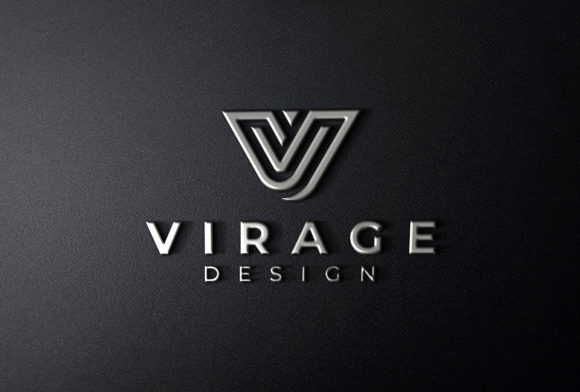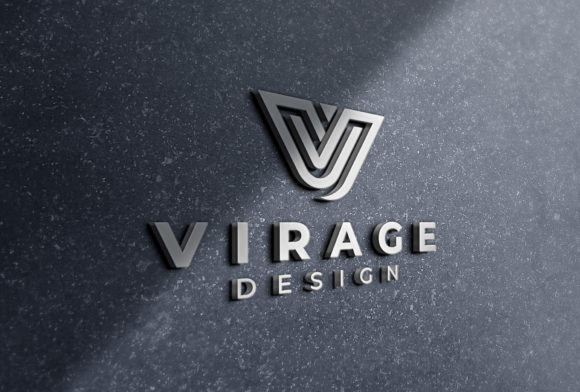
3D Logo Mockup Signage on Office Walls: Transforming Brand Presence Through Dimensional Design
When you walk into a modern office, what catches your eye first? More often than not, it is the branded signage that greets you—bold, illuminated, and seemingly alive. Among the most impactful trends in interior branding today is 3D logo mockup signage on office walls. This technique transforms a flat corporate emblem into a tangible, sculptural element that defines the atmosphere of a workspace. But what exactly is this approach, and why has it become a cornerstone of contemporary office design? This article unpacks the concept from the ground up, exploring its purpose, practical benefits, and how it fits into the broader landscape of business identity and workplace experience.
What Is 3D Logo Mockup Signage on an Office Wall?
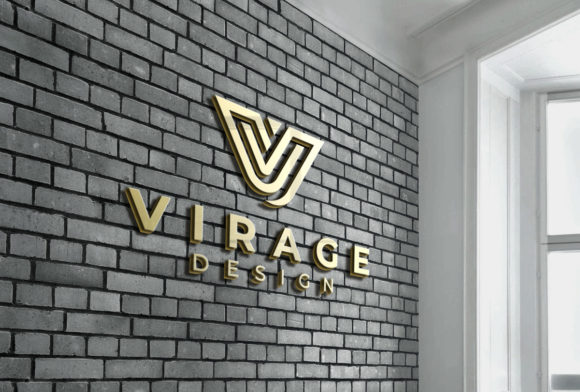
At its simplest, 3D logo mockup signage refers to a physical or digitally rendered representation of a company logo that appears to have depth, height, and shadow—as if it is protruding from or recessed into a wall. Unlike traditional flat printed logos, a 3D mockup uses materials such as acrylic, metal, wood, foam, or even layered resin to create a dimensional effect. The term "mockup" often applies to the design phase: before a sign is fabricated, designers create a realistic digital preview that shows how the logo will look on a specific office wall, including lighting, texture, and scale.
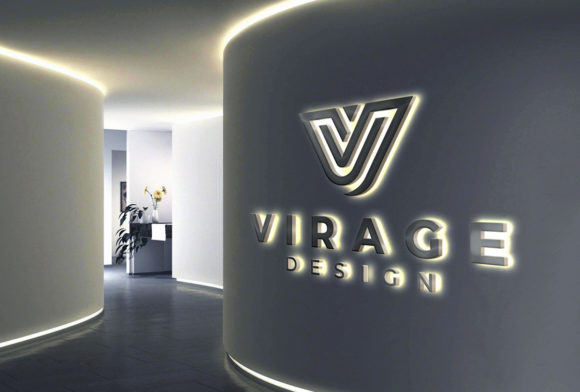
However, many businesses now commission permanent 3D signage that functions as a mockup in its final form—meaning the actual sign mimics the polished, three-dimensional appearance of a high-end rendering. These installations can be backlit, edge-lit, or illuminated by spotlights, further enhancing their visual depth. Whether used in a lobby, conference room, or executive suite, 3D logo signage serves as both a wayfinding tool and a branding statement.
Key Characteristics of 3D Logo Mockup Signage
- Depth and Dimension: Letters or shapes stand out from the wall surface, typically ranging from a few millimeters to several centimeters in thickness.
- Material Variety: Common choices include brushed aluminum, clear acrylic, painted MDF, and stainless steel, each offering a distinct aesthetic.
- Lighting Integration: Backlighting or halo lighting adds drama and ensures visibility even in dim environments.
- Customizable Finish: Glossy, matte, brushed, or textured surfaces allow the signage to align with brand guidelines.
Why Does 3D Logo Signage Matter for Modern Workspaces?
The shift from flat to dimensional signage is not merely a design whim—it reflects deeper changes in how companies view their physical environments. Office walls are no longer just boundaries; they are communication tools. A 3D logo mockup turns a blank wall into a brand experience. When clients, employees, or visitors encounter a logo that seems to float or emerge from the wall, it creates a subconscious impression of stability, innovation, and attention to detail.
In the context of modern business culture, where first impressions are formed in seconds, dimensional signage offers a competitive edge. A study in environmental psychology suggests that three-dimensional objects capture attention more effectively than flat images because our brains are wired to notice depth. This makes 3D signage an asset for reception areas, where you have only a moment to communicate professionalism and creativity.
Reinforcing Brand Identity Through Physical Space
Your logo is the visual anchor of your brand. Translating it into a physical, three-dimensional form reinforces its meaning. For example, a tech startup might choose a glossy, backlit acrylic logo to convey innovation and clarity, while a law firm might opt for brushed metal letters to project tradition and solidity. The choice of material, lighting, and placement all tell a story about what the company values. Unlike a digital logo that can be resized or recolored on a screen, a physical 3D sign demands commitment—and that commitment communicates stability.
Practical Relevance: How Businesses Use 3D Logo Mockup Signage
The applications of 3D logo signage extend far beyond the lobby. Here are some of the most common and effective uses in modern offices:
- Reception and Lobby Areas: The most obvious placement. A large, backlit 3D logo behind the reception desk establishes the tone for the entire visit.
- Conference Rooms: Smaller, wall-mounted logos or dimensional lettering on meeting room walls reinforce brand presence during presentations and client calls.
- Wayfinding and Department Identification: Three-dimensional lettering can label departments or floors, combining functionality with branding.
- Employee Break Rooms and Hallways: Subtle branded signage in these areas helps maintain brand cohesion and boosts employee pride.
- Photo Backdrops: Many companies design their 3D signage to double as a branded backdrop for social media photos or video calls.
Examples in Action
Imagine a creative agency that uses a 3D logo made from interlocking wooden panels, with each panel painted a different brand color. The depth of the logo changes depending on the viewing angle, making it a conversation starter. Or consider a financial services firm that chooses a polished chrome logo with subtle edge lighting—the effect is sleek, understated, and trustworthy. These examples show how the same concept can be adapted to very different brand personalities.
How 3D Logo Mockup Signage Fits into Modern Design and Technology
The rise of digital design tools has made it easier than ever to create realistic 3D mockups before any material is cut. Software like Blender, Cinema 4D, or even specialized signage mockup generators allows designers to simulate the exact lighting, texture, and perspective of an office wall. This means businesses can preview their signage in context—adjusting size, finish, and placement—without costly trial and error.
On the production side, advances in CNC routing, laser cutting, and 3D printing have lowered the cost and complexity of manufacturing dimensional signage. What once required handcrafted molds can now be produced with precision in a matter of hours. This democratization means that even small businesses and startups can afford professional-grade 3D logo signage.
Integration with Smart Office Environments
As workplaces become smarter, signage is evolving too. Some 3D logos now incorporate LED technology that changes color based on the time of day, or sensors that activate lighting when someone approaches. In this way, a static logo becomes an interactive element of the office ecosystem, blending branding with user experience.
Common Misunderstandings and Assumptions
Despite its growing popularity, several misconceptions surround 3D logo signage. Let me clarify a few:
- "It's only for large corporations with big budgets." While premium materials can be expensive, many options exist for smaller budgets, such as layered foam board or painted acrylic. The cost depends on size, material, and complexity—not company size.
- "A 3D mockup is just a design preview." In practice, the term "mockup" is used loosely. Many final installations are designed to look exactly like a polished mockup, blurring the line between preview and product.
- "3D signage is difficult to install or maintain." Modern mounting systems make installation straightforward, and materials like acrylic and metal require little more than occasional dusting.
- "It's purely decorative." On the contrary, dimensional signage serves practical purposes: it improves wayfinding, reinforces brand recall, and can even improve acoustic properties if made from sound-absorbing materials.
How to Approach a 3D Logo Signage Project
If you are considering 3D logo mockup signage for your office wall, a structured approach helps ensure success:
- Define the Purpose: Is the sign for client-facing areas, employee spaces, or both? The context will guide material and size choices.
- Measure the Wall: Proportion is critical. A logo that is too small will look insignificant; one that is too large can overwhelm the space.
- Choose Materials That Reflect Your Brand: Consider the message you want to send—warmth, innovation, tradition, or creativity.
- Consider Lighting: Backlighting can make the logo pop, but it requires planning for electrical access.
- Request a Digital Mockup First: Always ask your designer or signage provider for a photorealistic rendering of the logo on your actual wall. This step saves money and prevents disappointment.
- Plan for Installation: Ensure the wall surface is suitable (drywall, concrete, glass) and that mounting hardware is appropriate.
Working with Designers and Fabricators
Collaboration is key. Share your brand guidelines, including colors, fonts, and any restrictions. A good signage designer will help you translate a 2D logo into a dimensional form that remains true to the original while taking advantage of physical depth. They can also advise on material trade-offs—for instance, acrylic offers vibrant color transmission but may scratch more easily than metal.
The Broader Significance: Beyond the Office Wall
The trend toward 3D logo mockup signage reflects a larger movement in which physical spaces are designed to tell stories. In an era of remote work and digital communication, the office has become a destination—a place where culture is made visible. Dimensional signage is part of that narrative. It signals that a company invests in its environment, values its brand, and cares about the experience of everyone who walks through the door.
For readers who are entrepreneurs, designers, or facility managers, understanding this concept opens up new possibilities for expressing identity. Whether you are rebranding a startup, redesigning a corporate headquarters, or simply updating a single wall, 3D logo signage offers a tangible way to say: This is who we are, and we are here to stay.
Conclusion: Depth Creates Impact
3D logo mockup signage on office walls is more than a decorating trend—it is a strategic tool for communication, identity, and experience. By adding physical depth to a visual symbol, companies can transform a flat emblem into an immersive element that engages the eye and the mind. From the choice of material to the angle of lighting, every detail contributes to how a brand is perceived.
As you consider your own workspace, ask yourself: What story do you want your walls to tell? With the right design and a thoughtful approach, a 3D logo can become the most memorable feature of your office—and a lasting reminder of what your brand stands for.