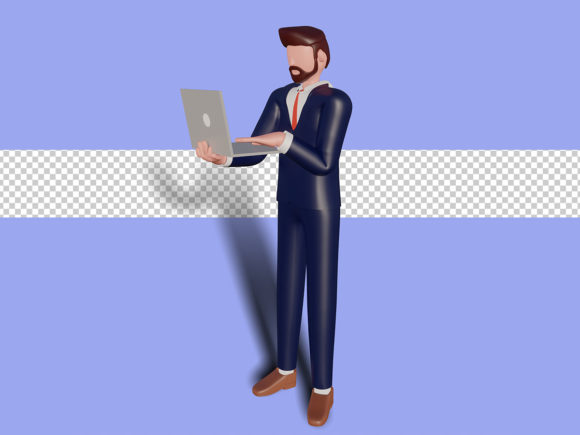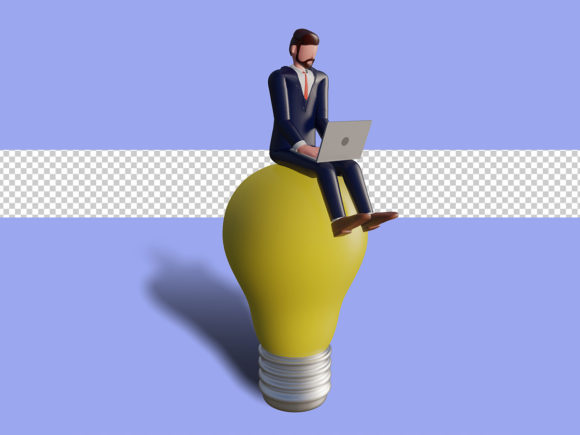
3D Male Character Typing and Sitting: A Modern Digital Phenomenon
In the ever-evolving landscape of digital design, the image of a 3D male character typing and sitting has become a common sight. Whether in video games, virtual reality environments, or digital marketing materials, this visual representation plays a significant role in how we interact with technology. Understanding the significance of this imagery can help both beginners and professionals appreciate its relevance in today's world.
What Is a 3D Male Character Typing and Sitting?
A 3D male character typing and sitting refers to a three-dimensional model that depicts a man engaged in the act of typing on a keyboard while seated. These characters are often used in various digital contexts, such as:
- Video game avatars
- Virtual assistants or AI interfaces
- Marketing visuals for tech products
- Training simulations
- Online education platforms
This representation is not just about aesthetics; it serves a functional purpose in helping users relate to digital experiences more personally.
The Purpose and Significance of 3D Male Characters
The use of a 3D male character typing and sitting goes beyond simple visualization. It is a tool that enhances user engagement and provides a sense of familiarity in digital interactions. Here’s why it matters:
Enhancing User Engagement
When users see a character that mirrors their own actions—like typing or sitting—they are more likely to feel connected to the content. This connection is crucial in fields like online learning or interactive software, where user retention is key.
Creating Relatable Digital Experiences
By depicting a human-like figure in a familiar scenario, designers make complex technologies more approachable. For example, a 3D male character typing and sitting might be used in a tutorial to demonstrate how to navigate a software interface, making the process less intimidating for new users.
Supporting Brand Identity
Companies often use these characters to reinforce their brand image. A well-designed 3D male character can convey professionalism, creativity, or innovation, depending on the context. This helps in building trust and recognition among audiences.
How 3D Male Characters Fit Into Modern Life
The integration of 3D male characters typing and sitting into daily life is evident across multiple domains. From work to education, these characters are shaping how we interact with technology.
Work and Productivity
In the workplace, especially in remote settings, digital avatars have become a way to represent employees in virtual meetings or collaborative tools. A 3D male character typing and sitting can symbolize productivity and focus, reinforcing a professional image without the need for real-time video calls.
Educational Applications
Education is another area where these characters play a vital role. In e-learning platforms, a 3D male character typing and sitting might guide students through lessons, offering a more engaging alternative to static text or images. This helps maintain attention and improve knowledge retention.
Entertainment and Gaming
In gaming, these characters are central to storytelling and player immersion. A well-designed 3D male character can bring a narrative to life, allowing players to experience the story from a first-person perspective. This level of involvement is what makes many games so compelling.
Common Misconceptions About 3D Male Characters
Despite their widespread use, there are several misconceptions about 3D male characters typing and sitting. Addressing these can help readers better understand their role and limitations.
Misconception 1: They Are Just for Games
While gaming is a major application, these characters are far more versatile. They appear in educational tools, corporate training modules, and even healthcare simulations. Their utility extends beyond entertainment.
Misconception 2: They Replace Real People
Although 3D characters can simulate human behavior, they do not replace real people. Instead, they complement human interaction by providing guidance, support, or visual representation in digital spaces.
Misconception 3: They Are Always Realistic
Not all 3D male characters are designed to look lifelike. Some are stylized or abstract, depending on the project’s goals. The level of realism varies based on the intended use and audience.
Practical Relevance in Daily Activities
Understanding the practical relevance of 3D male characters typing and sitting can help individuals make informed decisions about technology use and digital design. Here are some ways they impact daily activities:
- Remote Work: Avatars help create a sense of presence during virtual meetings, reducing the isolation that can come with working from home.
- Healthcare: In telemedicine, 3D characters can explain medical procedures or guide patients through exercises, improving communication and understanding.
- Customer Service: Chatbots and virtual assistants often use these characters to provide a more personalized experience, making interactions feel more human.
These applications highlight how 3D characters contribute to efficiency, clarity, and accessibility in various aspects of life.
Conclusion
The 3D male character typing and sitting is more than just an image—it’s a powerful tool that shapes how we interact with technology. From enhancing user engagement to supporting education and productivity, these characters play a crucial role in modern digital experiences. By understanding their purpose and significance, readers can appreciate their value in both personal and professional contexts. As technology continues to evolve, the use of such characters will likely expand, offering even more opportunities for connection and innovation.