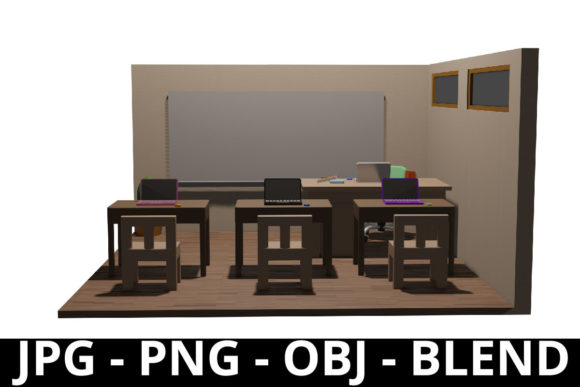
3D Male Character Doing Presentation: A Comprehensive Overview
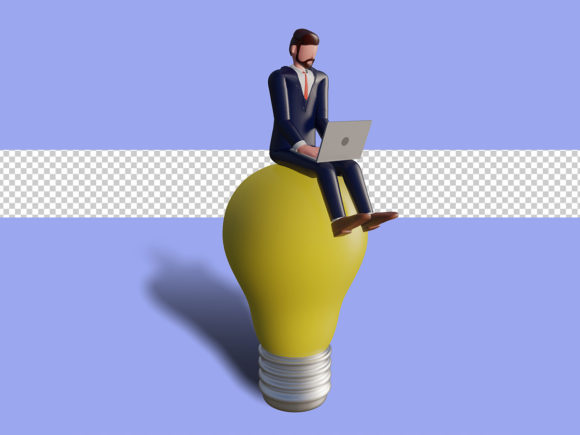
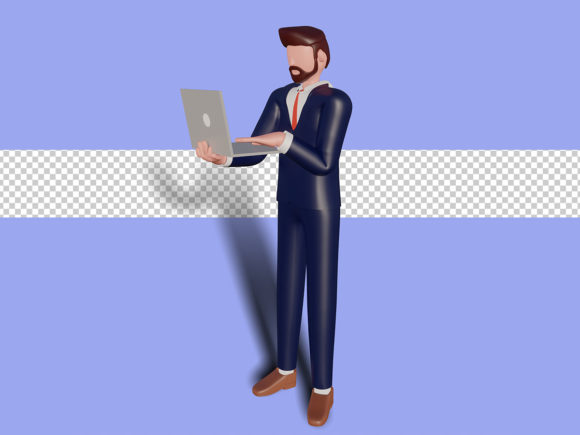
The concept of a 3D male character doing a presentation has gained traction in various industries, particularly in digital content creation, e-learning, and virtual communication. This type of character is often used to deliver information in an engaging and visually appealing manner. Whether for educational purposes, corporate training, or marketing campaigns, the use of a 3D male character can enhance the delivery of complex ideas and make the presentation more relatable.
What Is a 3D Male Character Doing Presentation?
A 3D male character doing a presentation refers to a digital representation of a human figure, typically designed with realistic or stylized features, that is animated to deliver spoken or visual content. These characters are often created using 3D modeling software and can be customized to fit specific scenarios, such as product demonstrations, instructional guides, or interactive storytelling. The character may be programmed to move, speak, and interact with the audience, making the presentation dynamic and immersive.
Why Someone Might Be Interested in a 3D Male Character Doing Presentation
Individuals and organizations might choose a 3D male character for presentations due to several factors. One primary reason is the ability to create a consistent and professional image without the need for live actors. This is especially beneficial for businesses that require multiple presentations across different platforms or languages. Additionally, a 3D character can be tailored to match brand identity, ensuring a cohesive visual style across all materials.
Another reason for interest in this approach is the potential for increased engagement. Studies suggest that visual and interactive content can improve retention rates and audience attention. By using a 3D male character, presenters can capture the audience's attention more effectively than traditional slides or static images. Furthermore, the character can be programmed to respond to user input, creating a more personalized experience.
Benefits of Using a 3D Male Character in Presentations
One of the main benefits of using a 3D male character in presentations is the flexibility it offers. Unlike live presenters, a 3D character can be modified to suit different contexts, such as varying languages, cultural adaptations, or different levels of complexity. This adaptability makes it ideal for global audiences or multi-platform distribution.
Additionally, a 3D character can reduce the costs associated with hiring professional speakers or actors. For organizations with limited budgets, this can be a cost-effective solution that still maintains a high level of quality. Moreover, the character can be reused across multiple projects, providing long-term value.
Another advantage is the ability to maintain a consistent tone and message. With a 3D character, presenters can ensure that the same information is delivered in the same way every time, reducing the risk of miscommunication or inconsistencies.
Tradeoffs and Considerations
While there are many advantages to using a 3D male character in presentations, there are also tradeoffs to consider. One potential drawback is the initial cost of development. Creating a high-quality 3D character requires specialized skills and software, which can be expensive. Additionally, ongoing maintenance and updates may be necessary to keep the character relevant and functional.
Another consideration is the lack of human touch. While a 3D character can be programmed to mimic natural speech and movement, it may not convey the same level of emotion or spontaneity as a live presenter. This can be a disadvantage in situations where personal connection and empathy are crucial.
Furthermore, technical limitations may affect the effectiveness of the presentation. If the character’s animation or voice is not well-executed, it could detract from the overall message and reduce audience engagement.
Situations Where a 3D Male Character May Be a Strong Fit
A 3D male character is particularly well-suited for scenarios that require consistency, scalability, and visual appeal. For example, in e-learning environments, a 3D character can guide students through complex topics in an engaging and interactive way. Similarly, in corporate training, the character can deliver standardized information to employees across different locations.
Marketing campaigns also benefit from the use of a 3D male character, as it can serve as a brand ambassador or spokesperson. This is especially useful for companies looking to build a recognizable and memorable identity across various channels.
In addition, the character can be used in virtual events or webinars, where live interaction may be limited. By incorporating a 3D character, organizers can enhance the visual experience and provide a more structured presentation.
Situations Where Alternatives May Be Worth Considering
There are instances where alternatives to a 3D male character may be more appropriate. For example, if the presentation requires a high level of emotional connection or nuanced expression, a live speaker may be more effective. This is particularly true in fields such as counseling, public speaking, or customer service, where human interaction is essential.
Additionally, if the goal is to reach a broad audience with minimal technical requirements, a simple slide deck or video presentation may be more practical. These formats are often easier to produce and distribute, making them suitable for smaller projects or tight deadlines.
For organizations with limited resources, investing in a 3D character may not be feasible. In such cases, alternative solutions, such as pre-recorded videos or stock animations, may offer a more cost-effective option without sacrificing quality.
Practical Decision-Making Insights
When deciding whether to use a 3D male character for a presentation, it’s important to evaluate the specific goals and needs of the project. Start by identifying the key messages and the target audience. Consider how the character will help convey these messages and whether it aligns with the desired tone and style.
Next, assess the available resources, including budget, time, and technical expertise. If the project requires a high level of customization or interactivity, a 3D character may be the right choice. However, if the focus is on simplicity and speed, alternative options may be more suitable.
Finally, test the character in real-world scenarios to gauge its effectiveness. Gather feedback from users or stakeholders to determine whether the character meets expectations and enhances the overall presentation.
By carefully considering the benefits, tradeoffs, and suitability of a 3D male character, individuals and organizations can make informed decisions that align with their goals and objectives.