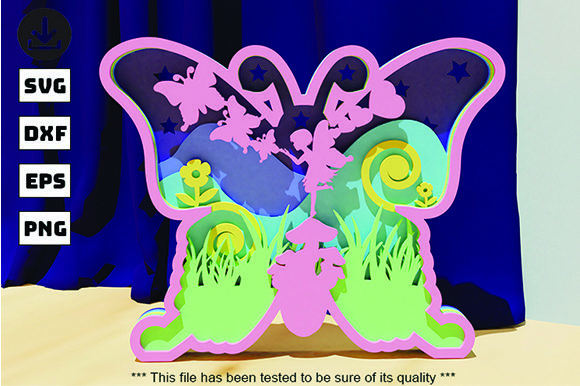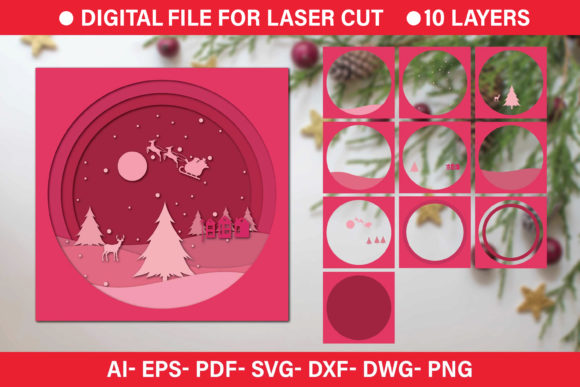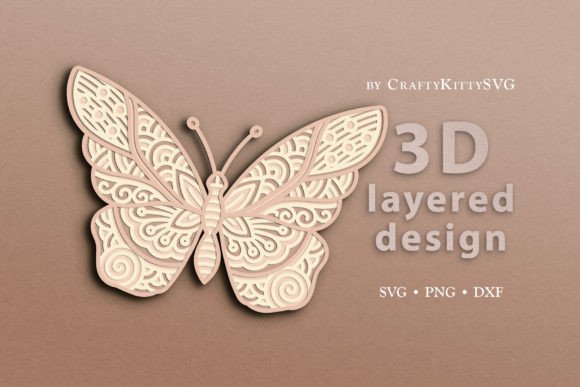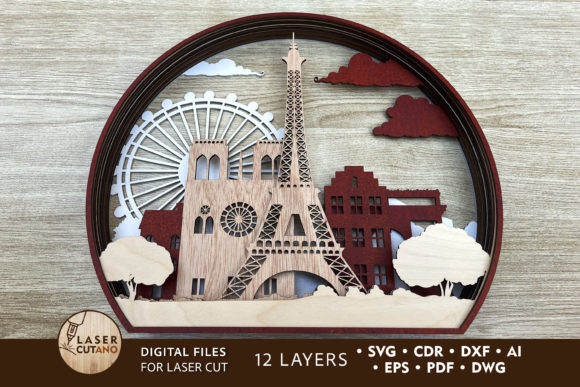
3D Multilayer Paris Laser Cut Files
3D multilayer Paris laser cut files offer a unique blend of artistry and precision, allowing creators to bring intricate designs to life with remarkable detail. These files are digital blueprints that guide laser cutting machines to produce layered structures, often inspired by the iconic architecture and aesthetics of Paris. Whether you're a designer, maker, or hobbyist, understanding how to use these files can open up new creative possibilities.
The appeal of 3D multilayer Paris laser cut files lies in their versatility. They can be used for everything from decorative wall art to functional prototypes, making them a valuable resource for a wide range of projects. The layered design adds depth and dimension, transforming flat materials into visually striking pieces that capture attention.
What Makes 3D Multilayer Paris Laser Cut Files Unique
Unlike traditional 2D laser cut files, 3D multilayer versions add an extra dimension by incorporating multiple layers that interlock or stack to form a three-dimensional structure. This technique is particularly effective when replicating complex architectural elements, such as the spires of Notre-Dame or the ornate details of French facades.
These files are often created using CAD software, which allows for precise measurements and detailed planning. The result is a file that can be easily adapted to different materials, including wood, acrylic, and even metal, depending on the project's requirements.
One of the key benefits of using 3D multilayer Paris laser cut files is the ability to customize designs. Creators can modify existing templates or create their own from scratch, tailoring the final product to specific needs or aesthetic preferences. This flexibility makes them ideal for both personal projects and commercial applications.
Creative Possibilities and Applications
The potential uses for 3D multilayer Paris laser cut files are vast. For example, they can be used to create detailed models for educational purposes, helping students visualize historical landmarks or architectural concepts. In the retail sector, these files can be employed to design eye-catching displays that draw customers in and enhance brand visibility.
Artists and designers can also leverage these files to craft unique installations or sculptures that incorporate elements of Parisian culture. By layering different materials or adding color, they can create pieces that are both artistic and functional. This approach is especially effective in public spaces, where visual impact is crucial.
Another exciting application is in the realm of home decor. From custom wall art to intricate lampshades, 3D multilayer designs can elevate any space with a touch of elegance and sophistication. These pieces not only serve as decorative elements but also showcase the craftsmanship and creativity behind the design process.
Adapting for Different Goals and Audiences
Understanding the target audience is essential when working with 3D multilayer Paris laser cut files. For instance, a designer creating a piece for a museum might focus on historical accuracy and educational value, while a small business owner looking to attract customers may prioritize visual appeal and brand alignment.
When adapting these files for different platforms, it's important to consider the medium and context. A design intended for a print catalog may require a different level of detail compared to one meant for an online store. Similarly, a project aimed at children might benefit from simpler shapes and brighter colors, while a professional setting may call for more refined and minimalist designs.
For educators, these files can be used to teach students about geometry, spatial reasoning, and design principles. By engaging with real-world examples, learners can develop a deeper understanding of how mathematical concepts apply to tangible projects. This hands-on approach fosters creativity and critical thinking, making it a valuable tool in the classroom.
Practical Tips for Effective Use
To get the most out of 3D multilayer Paris laser cut files, it's important to start with a clear plan. Define the purpose of your project, identify the materials you'll need, and determine the level of detail required. This preparation ensures that the final product meets your expectations and functions as intended.
Organizing your files and keeping track of design changes is also crucial. Using version control or labeling systems can help you stay on top of modifications and avoid confusion. Additionally, testing your design with a small prototype before committing to a full-scale production can save time and resources in the long run.
When working with others, communication is key. If you're collaborating with a team or outsourcing parts of the project, make sure everyone understands the vision and goals. Clear instructions and regular check-ins can help maintain consistency and ensure that the final outcome aligns with your original concept.
Conclusion
3D multilayer Paris laser cut files provide a powerful way to explore creativity and bring intricate designs to life. Whether you're an artist, educator, or entrepreneur, these files offer endless opportunities for innovation and expression. By understanding their unique features and applying them thoughtfully, you can unlock new possibilities and create meaningful, impactful work.