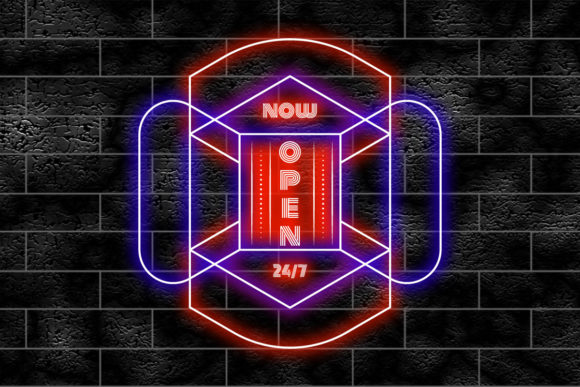
Open Sign Neon on Wall. 3D Illustration
Open Sign Neon on Wall. 3D Illustration is a unique visual concept that blends digital artistry with physical design elements. This approach creates an immersive and eye-catching representation of neon signs, often used in interior design, branding, and creative projects. Unlike traditional neon signage, which relies on actual lighting and materials, the 3D illustration offers a realistic yet flexible alternative that can be adapted to various contexts.
What Makes Open Sign Neon on Wall. 3D Illustration Distinct
The appeal of Open Sign Neon on Wall. 3D Illustration lies in its ability to capture the essence of neon lighting without the limitations of physical installation. Artists and designers use 3D modeling software to recreate the glow, color, and texture of neon signs, making it possible to visualize how these elements would look in real-world settings. This method allows for greater customization, such as adjusting colors, shapes, and placement, before any physical work begins.
One of the key advantages of this format is its versatility. Whether for commercial spaces, home decor, or digital media, the 3D illustration provides a detailed preview that helps stakeholders make informed decisions. It also eliminates the need for costly prototypes, making it a practical choice for designers and clients alike.
Comparison with Traditional Neon Signs
Traditional neon signs are known for their vibrant glow and durability, but they come with several challenges. Installation requires professional expertise, and maintenance can be time-consuming. Additionally, the range of available designs is limited by the physical constraints of glass tubes and electrical systems. In contrast, Open Sign Neon on Wall. 3D Illustration offers more creative freedom, allowing for intricate details and unconventional shapes that may not be feasible in real-world applications.
Another consideration is cost. While the initial investment in a custom neon sign can be high, 3D illustrations provide a cost-effective way to explore ideas and present them to clients. This makes the 3D approach particularly useful during the planning phase of a project, where multiple iterations may be needed.
How It Compares to Other Digital Design Options
When compared to other digital design formats, such as 2D illustrations or flat graphics, Open Sign Neon on Wall. 3D Illustration stands out for its depth and realism. The 3D model captures the interplay of light and shadow, giving a more accurate representation of how the final product would appear in different lighting conditions. This level of detail is especially valuable when presenting to clients who need a clear understanding of the visual impact.
However, it’s important to note that 3D illustrations require more technical skill and resources than simpler digital formats. Designers must have experience with 3D modeling tools and a strong understanding of lighting effects to produce high-quality results. For those without this expertise, alternative options like 2D mockups or photo-realistic renderings may be more accessible.
Best-Fit Situations for Open Sign Neon on Wall. 3D Illustration
Open Sign Neon on Wall. 3D Illustration is ideal for scenarios where visual accuracy and flexibility are essential. For example, in retail environments, businesses can use the 3D illustration to test different sign designs before committing to a physical installation. This reduces the risk of costly mistakes and ensures that the final product aligns with the brand’s vision.
Similarly, in the hospitality industry, hotels and restaurants often use neon signs to create a distinctive atmosphere. A 3D illustration allows designers to experiment with various styles and placements, ensuring that the final sign enhances the overall ambiance without overwhelming the space.
Limitations and Tradeoffs
Despite its benefits, Open Sign Neon on Wall. 3D Illustration has some limitations. One major drawback is that it cannot replicate the actual glow of a neon sign. While the 3D model can simulate lighting effects, it lacks the dynamic quality of real neon, which changes based on ambient light and viewer perspective. This means that the final physical sign may look slightly different from the digital representation.
Another tradeoff is the time and effort required to create a high-quality 3D illustration. Unlike pre-made templates or stock images, custom 3D models demand significant input from designers, which can increase project timelines and costs. For quick, budget-friendly solutions, other approaches may be more suitable.
When to Choose Open Sign Neon on Wall. 3D Illustration
Readers should consider Open Sign Neon on Wall. 3D Illustration when they need a detailed, customizable representation of a neon sign. This is especially true for projects that involve complex designs, specific lighting requirements, or multiple revisions. The 3D format is also beneficial for presentations, where a realistic visual aid can help convey the intended message more effectively.
For instance, if a business is planning to update its storefront signage, a 3D illustration can provide a clear view of how the new design will fit within the existing architecture. It can also help identify potential issues, such as visibility from the street or compatibility with other elements of the design.
Alternatives to Consider
In some cases, alternatives to Open Sign Neon on Wall. 3D Illustration may be more appropriate. For example, if the goal is to create a simple, cost-effective sign, a 2D mockup or a pre-designed template could suffice. These options are faster to produce and may be easier to implement for smaller projects.
Another alternative is the use of LED panels or digital displays, which offer similar visual effects with more control over brightness and color. These technologies are often used in modern signage and can be programmed to change messages or animations, providing additional functionality beyond what a static neon sign can achieve.
Conclusion: Making an Informed Choice
Open Sign Neon on Wall. 3D Illustration offers a powerful tool for visualizing neon signs in a flexible and detailed manner. Its ability to simulate lighting and texture makes it a valuable asset for designers, businesses, and clients looking to explore creative options before committing to a physical installation. However, it’s important to weigh the benefits against the limitations, such as the lack of real-time lighting effects and the need for specialized skills.
By considering factors like project scope, budget, and desired outcome, readers can determine whether Open Sign Neon on Wall. 3D Illustration is the right choice for their needs. In many cases, it provides a practical and effective solution, but for simpler or more functional applications, alternative methods may be more suitable. Ultimately, the decision should be based on a thorough evaluation of the available options and the specific requirements of the project.