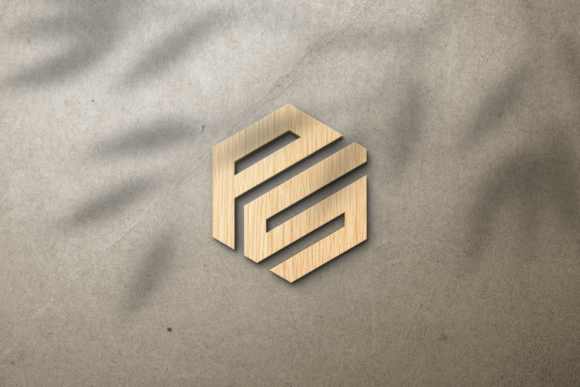
Gold Mockup 3D Sign on Black Texture: Integrating a Premium Visual Asset into Your Workflow
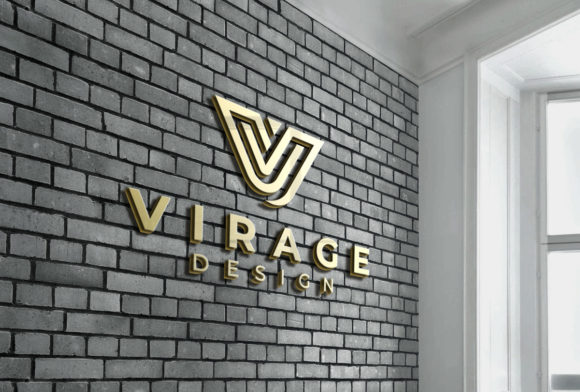
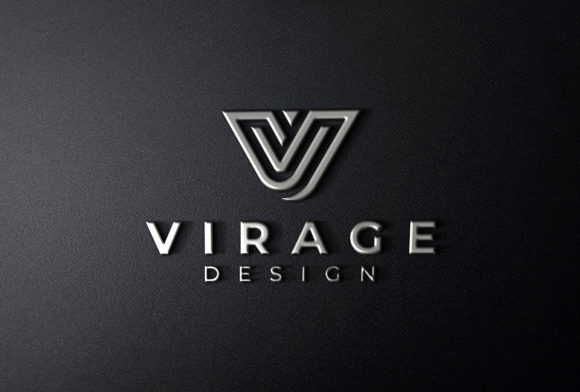
A polished visual presentation can make the difference between a proposal that resonates and one that falls flat. The gold mockup 3D sign on black texture is a versatile asset that brings a sense of refinement and professionalism to a wide range of projects. At its core, this mockup is a pre-rendered, three-dimensional sign rendered in a gold finish, set against a textured black background. It is not merely a decorative element; it functions as a practical tool for showcasing logotypes, brand names, titles, or short messages in a context that suggests quality and prestige. Understanding where this asset fits within your creative, marketing, or educational process can help you use it more effectively and consistently.
Understanding the Role of the Gold Mockup 3D Sign in Your Process
Mockups serve as a bridge between an initial concept and the final product. The gold mockup 3D sign on black texture is particularly useful during the visualization and presentation phase of a project. Before you commit to a final design for a physical sign, a digital advertisement, or a brand presentation, this mockup allows stakeholders to see how the design will appear in a realistic environment. It provides a tangible sense of scale, material, and lighting that flat digital comps cannot replicate.
You might use it before production to test different color variations of your logo against the gold finish, or to decide whether the black texture complements your brand palette. During a client presentation, the mockup adds a layer of professionalism that demonstrates attention to detail. After a project launch, the same asset can be repurposed for social media posts, case studies, or portfolio showcases, extending its value well beyond the initial design phase.
Practical Applications Across Disciplines
The gold mockup 3D sign on black texture is not limited to one industry or use case. Its adaptability makes it relevant for several audiences:
For Marketers and Entrepreneurs
When launching a new product or service, a cohesive visual identity is critical. Use the mockup to feature your brand name or tagline in email headers, landing page hero images, or paid ad creatives. The gold finish suggests premium value, making it suitable for luxury goods, financial services, or high-end consulting. You can also integrate it into slide decks for investor pitches or quarterly reviews, where polished visuals reinforce credibility.
For Content Creators and Freelancers
If you produce video content, the mockup works well as an intro or outro card. Overlay it on your video timeline for a few seconds to build brand recognition. For blog posts or social media, the image can serve as a featured thumbnail that stands out in crowded feeds. Freelancers can include the mockup in their portfolio to demonstrate their ability to produce professional-grade visuals for clients.
For Educators and Trainers
Course designers and educators can use the gold mockup 3D sign on black texture to label modules, chapters, or key concepts within training materials. It creates a visual hierarchy that helps learners navigate content quickly. For example, placing the mockup as a section divider in a slide deck or workbook adds a consistent visual cue that signals a new topic.
For Small Business Owners
Small businesses often operate with limited design resources. Having a reusable mockup like this allows you to create high-impact visuals for seasonal promotions, sale announcements, or new location openings without hiring a designer each time. Simply update the text or logo in your editing software, and you have a fresh image ready for print or digital use.
Integrating the Mockup with Your Existing Toolkit
To get the most from the gold mockup 3D sign on black texture, you need to understand how it interacts with your current software and workflow. Most mockups come as layered PSD files, offering smart objects that allow you to replace placeholder graphics with your own artwork. Some providers also offer PNG files with transparent backgrounds, which can be placed directly into design platforms like Canva, Adobe Illustrator, or Figma.
When using a layered file, the key is to maintain the original lighting and shadow effects. Smart objects preserve these elements, so your inserted text or logo appears naturally embedded in the scene. For those working in non-destructive workflows, this approach is ideal. You can experiment with different designs without altering the underlying mockup architecture.
If you prefer vector-based work, you can import the mockup as a reference layer and replicate the perspective and lighting in your own vector composition. This method offers more flexibility for animation or scaling, but it requires a good understanding of lighting and material rendering.
Implementation Tips for Smooth Integration
To integrate the gold mockup 3D sign on black texture into your routine efficiently, consider the following practical points:
- Preparation – Before you start, ensure your source file (logo, text, or graphic) is high resolution and uses a transparent background if possible. This avoids white box artifacts around your design. Also, check that your file is roughly the same aspect ratio as the mockup's sign surface to reduce rescaling.
- Compatibility – Confirm that the mockup file format matches your editing software. Most PSD files work in Photoshop, Affinity Photo, or GIMP. PNG files are universal but offer less editing control. If you use a web-based tool like Canva, a PNG with a cutout area might be easier to work with.
- Usability – Save the mockup in a dedicated assets folder with a clear naming convention. For example, "GoldMockup_Sign_BlackTexture_v1.psd". This makes retrieval fast when you are under deadline pressure.
- Organization – If you use multiple mockups, create a library organized by finish (gold, silver, copper) or context (black texture, white texture, stone). Tag files with relevant keywords so you can search by use case.
- Efficiency – Build a set of template files for recurring uses. For instance, pre-load your logo into the smart object and save as "GoldMockup_BrandHeader.psd". Then, when you need a quick social post, open this template, update the text or minor elements, and export.
- Consistency – Use the same mockup across all related materials for a campaign. This creates a cohesive look that reinforces brand recognition. If you vary mockups too much, the visual language becomes fragmented.
- Quality Control – Always export at the highest resolution your output allows. Check for aliasing, jagged edges, or color shifts after export. If the black texture appears too dark in certain lighting, adjust the contrast in your editing software.
Factor in Long-Term Use and Adaptability
The gold mockup 3D sign on black texture is not a one-time asset. As your brand evolves, you can reuse it with updated logos or messaging. Over time, you may find that the gold finish works better for some campaigns than others. Consider creating a set of mockups with different finishes (such as silver or rose gold) to maintain flexibility while keeping the same textured black background. This allows you to align the visual tone with seasonal promotions or product tiers.
Another long-term consideration is file management. As you accumulate mockups, track which ones you have used and for what purpose. A simple spreadsheet or note in your design system can prevent duplicate work and help you quickly locate the version that matches a previous campaign. This is especially valuable for agencies or teams where multiple people might access the same files.
Real-World Workflow Example: Marketing Agency Pitch
Imagine you work at a marketing agency preparing a pitch for a luxury watch brand. You need to present the new logo across multiple touchpoints. Using the gold mockup 3D sign on black texture, you place the client's logo on the mockup and render it in a high-quality image. This becomes the hero visual for the slide deck. You then use variations of the same image—cropped for social media, full frame for a print proof, and overlaid with brand typography for a website banner—all from one master file. The consistency saves time and presents a unified vision to the client. After the pitch, you can reuse the mockup for the brand's launch materials, extending its value.
Key Factors to Evaluate Before Using the Asset
Not every project will benefit from this mockup. Evaluate the following before you integrate it into your workflow:
- Brand Fit – A gold finish conveys luxury, success, and warmth. If your brand is minimalistic, industrial, or tech-focused, a gold mockup might feel out of place. Test it against your style guide first.
- Readability – Text on a black textured background is generally readable, but thin fonts or small sizes can become lost. Ensure your text has enough weight and contrast. Use a light or metallic stroke if necessary.
- Medium – For print, verify that the resolution is sufficient (300 DPI recommended). For digital, optimize file size without compromising quality. The mockup's texture may increase file size, so compress appropriately for web use.
- Color Consistency – The gold tone may appear different on various screens or in print. Run a calibration test to ensure the gold matches your brand's metallic palette. If possible, request a proof before final production.
Bringing It All Together
The gold mockup 3D sign on black texture is more than a visually appealing image. It is a practical asset that, when integrated thoughtfully, can elevate presentations, streamline content creation, and reinforce brand identity. By understanding its role in your process—whether used before a launch for visualization, during a pitch for impact, or after a project for repurposing—you can extract maximum value from a single resource. Focus on preparation, compatibility, and consistency to make the mockup a reliable part of your toolkit. Over time, you will develop a rhythm that saves time and produces professional results without unnecessary complexity.