Horror 3D Text Effect and Editable Text Style
When designing for Halloween promotions, horror movie posters, haunted attraction marketing, or dark-themed branding, the typography often determines whether the visual lands as genuinely unsettling or simply generic. The Horror 3D Text Effect, Editable Text Style (often packaged as a layered PSD or vector template) has become a go-to resource for designers who need dimensional, menacing lettering without building each extrusion and shadow from scratch. This article offers a balanced evaluation of this design asset, examining its strengths, limitations, and the contexts where it serves—or fails to serve—your project goals. Whether you are a freelance graphic designer, a content creator, or a marketer evaluating template libraries, the following analysis will help you decide if this editable text style aligns with your practical needs.
What Is the Horror 3D Text Effect, Editable Text Style?
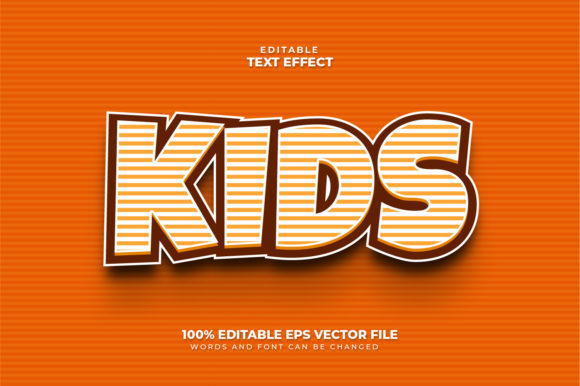
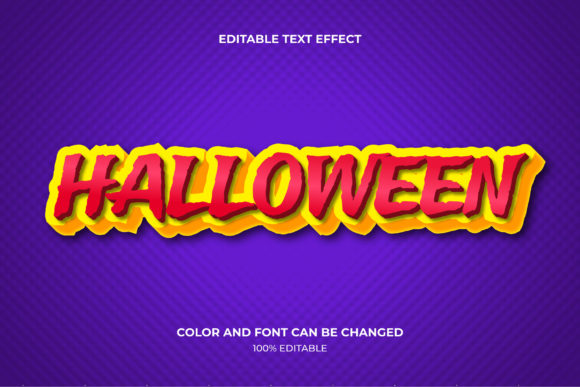
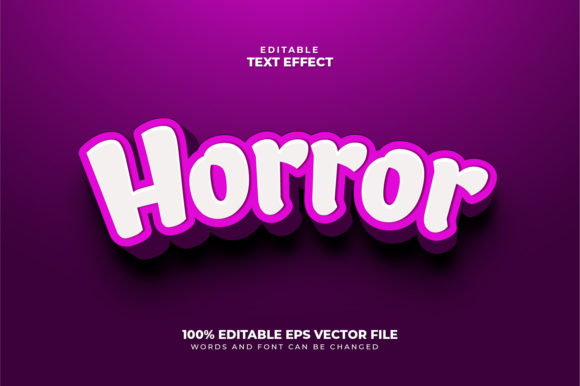
At its core, this asset is a pre-built text effect file—commonly distributed in Adobe Photoshop (PSD) or Illustrator (AI) format—that applies a three-dimensional, horror-themed treatment to editable type. The "3D" component typically involves beveled edges, extruded layers, and deep shadowing that gives letters physical weight, while the "horror" aesthetic relies on distressed textures, blood-drip overlays, jagged edges, or grunge wear. The "editable text style" means the layer structure preserves live, editable text layers (or smart objects) so you can replace the placeholder word with your own copy without rebuilding the effect.
These templates range from subtle, embossed lettering with a dark metallic finish to extreme designs featuring torn parchment, rusted metal, or viscous red drips. Most include color overlays, lighting adjustments, and texture maps that can be toggled or modified. The key promise is speed: instead of modeling 3D text in dedicated software or manually constructing shadows and textures, you open the template, type your word, and export. For designers juggling tight deadlines, that efficiency is a primary draw.
Why Consider This Editable Text Style?
Several scenarios make the Horror 3D Text Effect, Editable Text Style an appealing option:
- Speed and iteration. When you need multiple variations of a title—for A/B testing social media graphics or generating different event posters—editing text in a layered file is far faster than rebuilding the 3D effect each time.
- Consistency across materials. If a brand or event uses a specific horror-themed look, this template ensures every piece of collateral (flyers, banners, video thumbnails) maintains the same dimensional treatment.
- Lower technical barrier. Not every designer is proficient in 3D software like Blender, Cinema 4D, or Maya. An editable PSD brings a convincing 3D appearance into a familiar 2D workflow.
- Inspired starting point. Even if you plan to heavily customize the final output, the template provides a baseline composition, lighting arrangement, and texture set that can speed up the creative process.
However, "speed" and "ease" must be weighed against the constraints that come with any pre-built asset. Understanding those tradeoffs is essential for making an informed choice.
Benefits and Practical Advantages
The primary benefit of the Horror 3D Text Effect, Editable Text Style is time savings. A designer who would otherwise spend two to four hours building a convincing 3D extrusion, applying textures, and balancing lighting can instead deliver final artwork in under an hour, assuming they are comfortable with layer management. This efficiency is especially valuable for small studios, solo practitioners, or in-house marketing teams with high output demands.
Another advantage is predictable output quality. Reputable templates are created by experienced graphic artists who understand shading, texture resolution, and color theory. When you purchase or download a well-rated Horror 3D Text Effect, you are receiving a tested file that produces a certain visual quality out of the box. This reduces the risk of a design that looks amateurish or inconsistent with the intended mood.
Additionally, many templates offer modular layer structures. You can often disable the blood overlay for a cleaner horror look, swap the background texture, or adjust the lighting angle to match your scene. This flexibility means the asset is not a rigid sticker; it is a customizable starting point.
Tradeoffs and Limitations
Despite these benefits, there are notable tradeoffs. The most significant is the lack of true 3D geometry. An editable text style that simulates depth through layer styles, drop shadows, and gradient maps cannot rotate or be viewed from different angles. If your project requires the text to integrate into a 3D scene—such as a video intro with camera movement or a VR environment—you will need actual 3D models, not a layered 2D effect.
Another limitation is file version dependency. Many templates are built using specific features of Adobe Photoshop (for example, Layer Styles, Smart Filters, or 3D capabilities) that may not translate to older versions or alternative software like Affinity Photo or GIMP. You may lose editability if you open the file in an unsupported application, or you may need to rasterize layers, sacrificing the very flexibility that made the asset attractive.
Style fatigue is a further consideration. The Horror 3D Text Effect, Editable Text Style is often designed to be visually striking, which means it has a distinct look. If your audience sees multiple designs using the same template (especially popular ones), the effect can feel generic rather than unique. This is less of a concern for short-term campaigns but matters for brands seeking long-term distinctiveness.
Finally, there is a learning curve in customization. While the text is editable, significantly altering the texture, lighting, or 3D structure requires understanding how the file was constructed. Beginners who want to change the color of the extrusion might accidentally break the layer style link or distort the shading. The asset's documentation varies widely in quality, and troubleshooting can eat into the time you hoped to save.
Key Considerations Before Choosing This Text Effect
Before committing to the Horror 3D Text Effect, Editable Text Style for a project, evaluate the following factors:
- Output medium. Will the text appear on a printed poster, a website banner, a video thumbnail, or a 3D environment? For static 2D media, the template is well suited. For dynamic or immersive media, you likely need a different approach.
- License terms. Some templates restrict commercial use, limit the number of end products, or require attribution. Review the license carefully, especially if the design will be used for client work or merchandise.
- Resolution and scaling. Check whether the template is built at a resolution that matches your output. A 1920×1080 px template may need upscaling for large-format printing, which can degrade texture detail.
- Customization comfort. Assess your own skill level. If you are confident editing layer styles, clipping masks, and smart objects, you can bend the template to your needs. If you rely on simple text replacement and little else, what you see in the preview is largely what you will get.
Where This Horror 3D Text Effect Shines
Certain use cases align naturally with the strengths of this asset:
- Social media graphics. Instagram posts, TikTok covers, and YouTube thumbnails for horror-related content benefit from dramatic, readable text. The template's pre-optimized lighting and contrast ensure the text pops on small screens.
- Event flyers. Haunted houses, horror film screenings, costume parties, and theme park Halloween events often need quick turnaround on multiple flyers. The editable text style allows you to customize dates, locations, and taglines without redoing the headline effect each time.
- Merchandise mockups. T-shirt designs, posters, and stickers with horror motifs can use this effect for the main title, then be exported as flat artwork for production.
- Video lower thirds and titles. For static title cards in promotional videos or intros, the 3D effect adds production value without requiring 3D rendering software.
When Alternatives May Be Worth Considering
There are scenarios where the Horror 3D Text Effect, Editable Text Style is not the optimal choice, and alternatives should be explored:
- Custom branding. If you need a unique horror typography style that no one else has—for a film logo, a gaming channel identity, or a product brand—commissioning a custom 3D text treatment from a designer or building it in vector software will yield greater originality.
- Animation and motion graphics. For animated text that rotates, extrudes, or interacts with other 3D elements, a true 3D workflow (Cinema 4D, Blender, or After Effects with 3D layers) is necessary. A layered PSD cannot produce parallax or dynamic depth changes.
- High-end print. Large-format posters or book covers where every detail matters may require vector-based 3D effects or high-resolution rendered geometry. Some editable text styles rely on raster textures that can appear pixelated when scaled up significantly.
- Accessibility and readability. Extremely distressed or highly stylized horror text can become illegible, especially at small sizes. If your primary aim is clear communication (e.g., a warning sign, a headline in a busy layout), a cleaner sans-serif or a custom horror font with basic formatting may serve better.
Practical Decision-Making Insights
To determine whether the Horror 3D Text Effect, Editable Text Style aligns with your specific needs, ask yourself these questions:
- What is my deadline? If the answer is "tomorrow," the template approach is likely your best bet. If you have weeks, you can justify a more labor-intensive but original solution.
- How many variations do I need? For a single poster, a custom build is fine. For a series of ten social graphics with different copy, the editable template becomes far more efficient.
- How important is uniqueness? For a one-off event flyer, a pre-built style may be perfectly acceptable. For a logo that needs trademark protection, you need something original and not derived from a generic template.
- What software do I have? Ensure you own the application required to edit the template, and that your version is compatible. If you use open-source or alternative software, look for vector-based or SVG templates that offer broader compatibility.
- Can I modify it enough? Look at the template's layer structure in the preview or documentation. If the customization options are limited to text replacement and a handful of color overlays, you may feel constrained. If the file includes texture masks, separate lighting layers, and multiple effect presets, you have more room to make it your own.
Aligning the Asset with Your Goals
Choosing a design asset should always start with a clear definition of the problem you are solving. If your goal is to produce a striking visual quickly, with minimal technical friction, and the final output is static digital media or printed collateral at moderate scale, the Horror 3D Text Effect, Editable Text Style is a strong candidate. It removes the need to master 3D modeling and lets you focus on layout, composition, and messaging.
If your goal is to build a distinctive visual identity, to create moving content, or to output at very large sizes, the template's convenience will likely be outweighed by its constraints. In those cases, invest in learning proper 3D typography techniques, hire a specialist, or explore vector-based text effects that scale without loss.
It is also worth considering a hybrid approach: use the editable text style as a rough comp to present to stakeholders, then commission a final version from a 3D artist once the copy and layout are approved. This way, you get the speed of iteration during the approval phase and the uniqueness and scalability of a custom build in the final deliverable.
Ultimately, the Horror 3D Text Effect, Editable Text Style is a tool—a very capable one for the right job. Assessing its place in your workflow requires honesty about your timeline, your technical comfort, and the importance of originality to the project's success. By weighing these factors deliberately, you can decide whether this asset is a smart shortcut or a compromise you cannot afford.