Mastering the Ludo 3D Editable Text Effect: A Comprehensive Guide for Modern Design
Typography in digital design has evolved far beyond static letterforms. Among the most engaging advancements is the Ludo 3d Editable Text Effect, a versatile tool that brings depth, playfulness, and professional polish to any project. This effect allows designers to transform plain text into vibrant, three-dimensional visuals that remain fully editable—meaning colors, angles, and textures can be adjusted without rerendering. For creators at all levels, understanding how to leverage this effect can elevate branding, social media graphics, website headers, and print materials.
Understanding the Ludo 3D Editable Text Effect
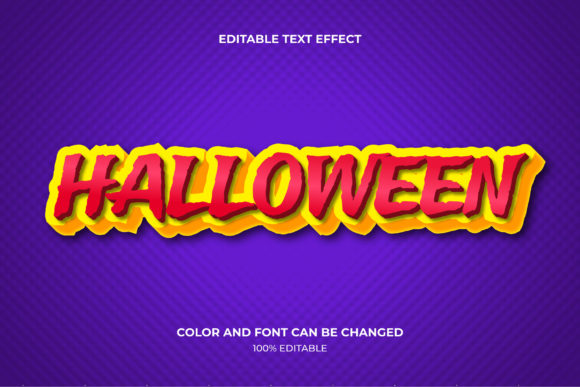
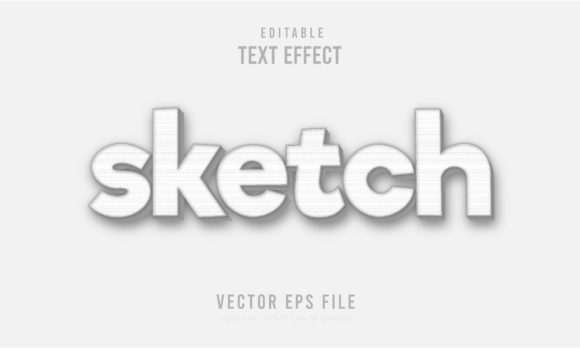
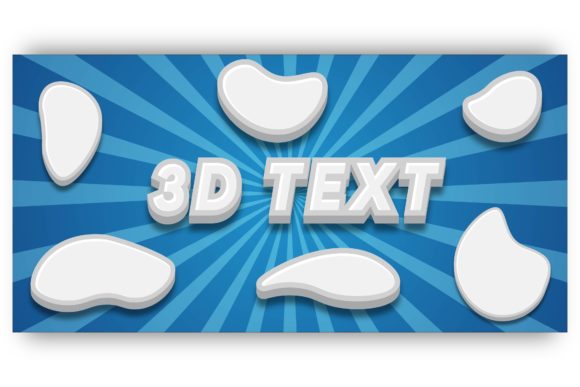
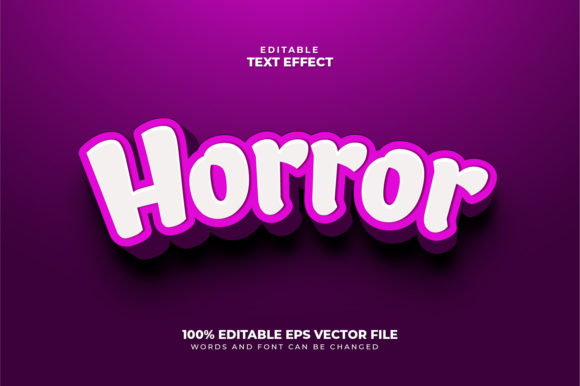
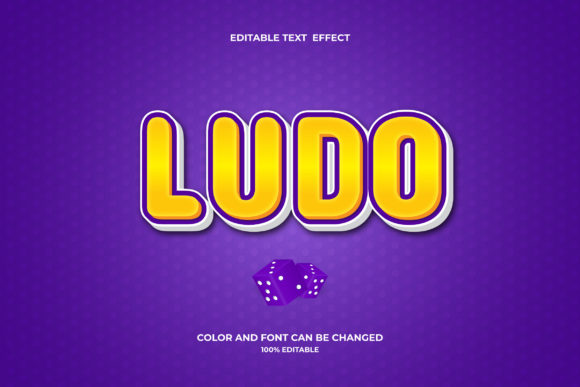
At its core, the Ludo 3d Editable Text Effect replicates the appearance of dimensional lettering inspired by classic board game aesthetics—bold, colorful, and extruded. Unlike pre-rendered 3D text, an editable effect retains its layers and adjustment parameters within design software. This means you can change the text, font, size, or color at any stage without starting from scratch. The effect typically combines multiple shading layers, bevels, and highlights to simulate lighting and depth, making the text pop from the canvas.
Core Characteristics
- Layered Extrusion: The effect builds depth by stacking copies of the text layer, each offset slightly, creating a beveled or extruded look. The number of layers controls the perceived thickness.
- Lighting Simulation: Highlights and shadows are applied to suggest a light source, often from the upper left or right, giving the text a realistic three-dimensional appearance.
- Color Flexibility: The base text and extrusion can use solid colors, gradients, or even textures, allowing customization for brand palettes or thematic designs.
- Editable Parameters: Key attributes like extrusion depth, angle, shadow softness, and highlight intensity can be modified through sliders or numeric inputs, preserving the non-destructive workflow.
- Software Integration: Commonly found in Adobe Photoshop, Illustrator, and Affinity Designer as layer styles or smart objects, as well as in web tools like Canva and Figma through plugins or custom presets.
Advantages of Using the Ludo 3D Editable Text Effect in Design Workflows
Integrating this effect into your repertoire offers concrete benefits for productivity and creative expression. Designers no longer need to laboriously model 3D text in dedicated software; the effect streamlines the process while maintaining high visual quality.
Efficiency and Flexibility
Because the effect is editable, revisions take seconds. If a client requests a different headline or a color shift, you update the text layer and the effect automatically adapts. This reduces turnaround time and preserves the integrity of the original design. For business owners managing in-house marketing, this means faster iteration on promotional materials without outsourcing to a specialist.
Consistency Across Assets
Once you define a Ludo 3d Editable Text Effect style, it becomes a reusable preset. You can apply it to multiple text elements across a website, social media campaign, or packaging line, ensuring visual uniformity. Creators and educators benefit from this consistency when building tutorial series or branded course materials.
Broad Accessibility
The effect is not limited to professional designers. Hobbyists and small business owners using simplified tools can access similar functionality through templates and presets. For example, a Canva user can apply a 3D text effect with a few clicks, adjusting the color and depth to match their needs. This democratizes high-impact typography.
Real-World Applications and Use Cases
The Ludo 3d Editable Text Effect finds relevance across diverse fields due to its playful yet professional appearance. Below are specific scenarios where it excels.
Marketing and Branding
In advertising, grabbing attention is paramount. Headlines with dimensional depth outperform flat text in click-through rates and recall. A local coffee shop might use the effect for its seasonal drink posters, with the word "Pumpkin Spice" extruded in warm orange tones. Consumer goods brands often apply similar effects to product names on packaging, especially for toys, games, or children's items. The effect conveys energy and fun without sacrificing legibility.
Digital Content Creation
YouTubers, streamers, and social media influencers rely on eye-catching thumbnails and overlay text. The Ludo 3d Editable Text Effect lends itself perfectly to channel art, video titles, and banner ads. For example, a gaming channel could use bright red and yellow extruded text for "LIVE NOW" overlays. The editable nature allows creators to rebrand their channel aesthetic quickly without redoing all assets.
Educational and Instructional Materials
Educators and trainers use the effect to highlight key terms in presentations, infographics, or e-learning modules. A science teacher explaining "Photosynthesis" might present the word in green 3D text, making it stand out on a slide. The depth helps visually anchor abstract concepts, especially for younger learners. Researchers can employ similar techniques for conference posters to guide attention to critical findings.
Web and UI Design
While overuse of 3D text can clutter interfaces, strategic application in hero sections or call-to-action buttons can increase engagement. A tech startup might use a subdued version of the Ludo 3d Editable Text Effect for its tagline, with a subtle extrusion that works on both light and dark backgrounds. Because the effect is editable, responsive design adjustments are straightforward—simply tweak the depth for smaller screens.
Technical Considerations and Best Practices
To maximize the impact of the Ludo 3d Editable Text Effect, you need to understand its technical underpinnings and avoid common pitfalls.
Software Compatibility and Customization
Most advanced vector and raster graphics programs support layer styles that approximate this effect. In Adobe Photoshop, you can combine "Bevel & Emboss" with "Drop Shadow" and a custom gradient overlay to build an editable 3D result. For a more robust solution, smart objects preserve editability when scaling. In vector software like Illustrator, the "Extrude & Bevel" 3D effect offers greater control over geometry but may be less editable if you need to change text later. The key is to choose a workflow that balances flexibility with output quality.
Typography and Readability
Not every font suits a 3D treatment. Sans-serif fonts with consistent stroke widths—like Montserrat, Futura, or Lato—work best because their shapes remain clear when extruded. Serif or script fonts can become muddy, especially at small sizes. Always test the effect at the intended display size. For body text or small labels, avoid heavy extrusion; instead, use a subtle bevel to maintain legibility.
Color and Contrast
The depth layers can introduce contrast issues. Use the Ludo 3d Editable Text Effect with a background that offers sufficient separation. A common technique is to add a light stroke or glow around the text to define its edges. Also, consider how the effect reads in grayscale or high-contrast mode for accessibility. Tools like WebAIM’s contrast checker can help ensure your colorful 3D text remains usable.
File Size and Performance
Complex editable effects with many layers or textures can increase file size and slow down rendering, particularly in web environments. If using the effect on a website, export the text as an optimized PNG or SVG rather than embedding complex styles in CSS. For print, ensure the resolution is high enough (300 DPI) to avoid jagged edges on the extrusion.
Integrating the Ludo 3D Editable Text Effect into Your Projects
Adopting this effect into your creative process involves strategic planning and experimentation. Start by creating a reusable preset. In your design software, build the effect on a sample text, then save it as a layer style or style library. This preset becomes your foundation, which you can iterate upon for each project.
Consider pairing the effect with complementary visuals. For instance, a flat design illustration alongside a Ludo 3d Editable Text Effect headline creates an appealing contrast. The depth of the text draws the eye while the flat artwork remains crisp and modern. This combination works well in both digital and print media.
Another effective approach is to animate the effect subtly. In video editing or motion graphics software, you can rotate the extrusion angle or shift the lighting over time. This adds a layer of polish to lower thirds or title sequences without overwhelming the viewer. The editable nature ensures that any last-minute text changes propagate through the animation smoothly.
Collaborative Workflows
When working in teams, the editable effect streamlines handoffs. A designer can set up the Ludo 3d Editable Text Effect in a master file, and a copywriter can update the text without needing design skills. This is particularly useful in agencies where multiple stakeholders touch the same asset. Clear naming conventions for layers and styles prevent confusion.
Future Trends and Iterations
As design tools evolve, we see more browser-based and AI-assisted implementations of 3D text effects. Some platforms now offer real-time previews of the Ludo 3d Editable Text Effect, adjusting depth and lighting interactively. Staying informed about these updates allows you to maintain an efficient workflow. Moreover, the effect itself continues to diversify—with new bevel shapes, metallic finishes, and dynamic textures being added by software developers.
Ultimately, the Ludo 3d Editable Text Effect represents a convergence of tradition and innovation. It respects the fundamentals of typography while pushing the boundaries of what text can communicate visually. For professionals, consumers, creators, educators, researchers, hobbyists, and business owners alike, mastering this effect opens doors to clearer, more engaging visual communication. Whether you are crafting a brand identity, designing a learning module, or producing content for social media, the editable 3D text effect provides a reliable, adaptable tool to make your words truly stand out.