Beyond First Impressions: Exploring 3D Office Reception Mockup Vol 3 for Modern Design
When you walk into a company for the first time, the reception area speaks volumes before a single word is exchanged. It sets the tone, communicates the brand's personality, and creates a lasting impression. For designers, architects, and business owners, getting this space right is critical. This is where 3D Office Reception Mockup Vol 3 comes into play. It’s not just a set of digital files; it’s a powerful tool that bridges the gap between imagination and reality. In this article, we will explore what this mockup volume offers, why it matters, and how it can transform the way you present and plan professional spaces.
What Exactly Is a 3D Office Reception Mockup?
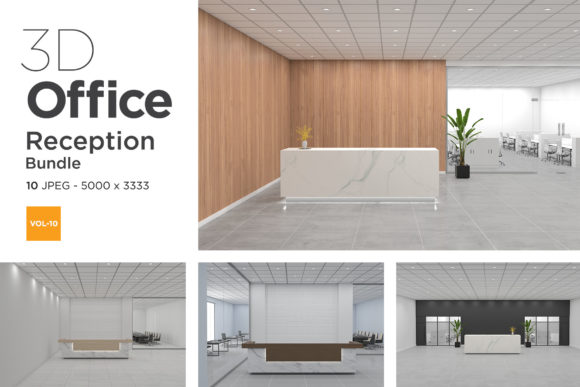
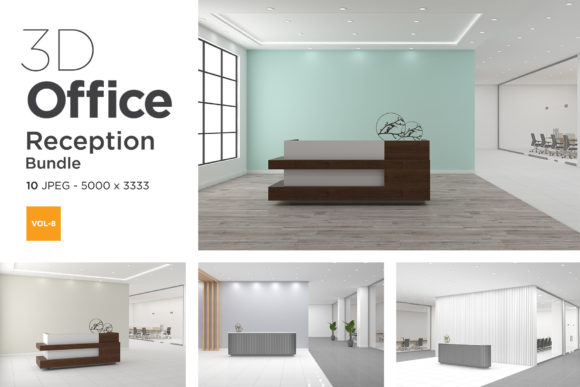
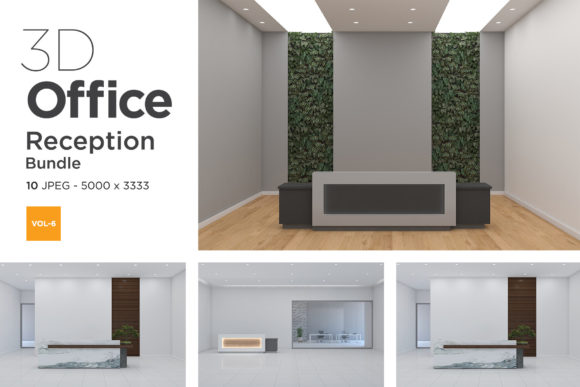
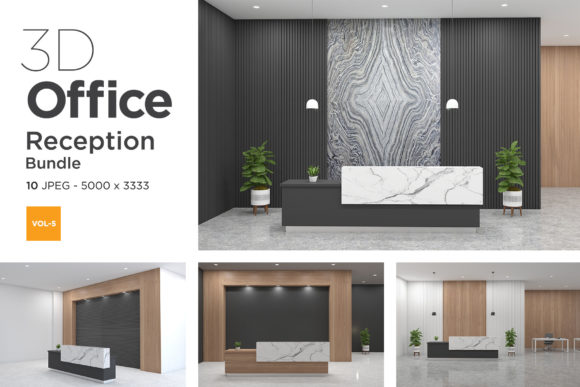
Before diving into the specifics of Vol 3, it helps to understand what a 3D office reception mockup is in general. Think of it as a pre-built, three-dimensional template of a reception area that designers can customize. Instead of starting from scratch, you open a file (often in software like Adobe Photoshop or Sketch) that contains a realistic, fully rendered scene. The scene includes furniture, lighting, textures, and architectural details—all waiting for you to add your own branding, colors, and design elements.
These mockups are used primarily for:
- Presentations — Show clients how a design will look before construction begins.
- Portfolio building — Demonstrate your design skills with high-quality visuals.
- Marketing materials — Create compelling content for websites, brochures, or social media.
- Concept testing — Experiment with different color schemes, furniture arrangements, or lighting setups.
A mockup like Vol 3 is not a static image; it is a layered, editable file that gives you control over every visual aspect. This flexibility is what makes it indispensable for both seasoned professionals and beginners.
The Purpose and Significance of Vol 3
So, what makes 3D Office Reception Mockup Vol 3 stand out in a crowded market? The third volume in a series often represents a refined evolution. By this point, the creators have listened to user feedback, improved rendering techniques, and added features that address real-world design challenges.
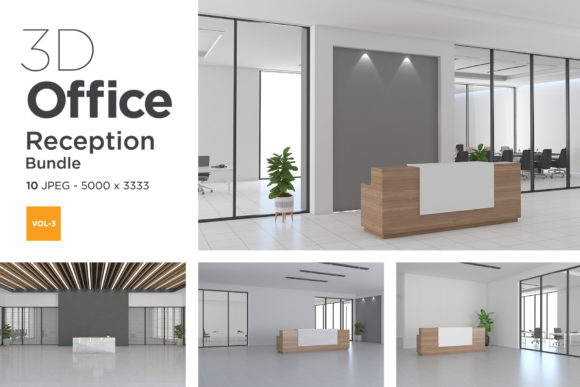
Vol 3 typically offers a modern, sleek reception environment that balances professionalism with warmth. It might include multiple camera angles, adjustable lighting conditions, and smart object layers that let you swap out logos, wall art, or even the entire color palette with a few clicks. The purpose is simple: save time while delivering photo-realistic results.
Why Reception Areas Matter More Than You Think
The reception area is the gateway to a business. It influences how visitors perceive the company's competence, creativity, and attention to detail. A well-designed reception can:
- Build trust — A polished space suggests a well-organized operation.
- Reinforce branding — Consistent use of colors, fonts, and imagery creates a cohesive identity.
- Enhance comfort — Thoughtful seating and layout make waiting pleasant.
- Boost employee morale — A beautiful entryway sets a positive tone for the workday.
Using a high-quality mockup like Vol 3 allows you to iterate on these elements quickly. You can test a minimalist Scandinavian look on Monday and a bold, corporate style on Tuesday—without ordering a single piece of furniture.
Practical Applications in Business and Design
The beauty of 3D Office Reception Mockup Vol 3 lies in its versatility. It is not limited to one type of user or industry. Here are some common scenarios where it shines:
For Interior Designers and Architects
If you run a design firm, your ability to communicate a vision is just as important as the vision itself. With Vol 3, you can generate multiple variations of a reception space for a single client. Show them a version with a marble countertop, another with wood accents, and a third with bold accent walls. This builds confidence and helps clients make informed decisions.
For Real Estate and Property Developers
When marketing a commercial building, the reception area is often a selling point. Using a realistic mockup, you can give potential tenants a glimpse of the lobby's potential. It becomes a powerful tool in leasing presentations, helping people imagine themselves working in that environment.
For Branding and Marketing Agencies
Agencies frequently need to show how a brand identity translates into a physical space. Vol 3 allows you to place a logo on the wall, apply brand colors to the furniture, and even add digital screens with mock content. The result is a cohesive narrative that connects digital branding with the built environment.
For Educators and Students
In design schools, mockups are learning aids. Students can deconstruct the layers of Vol 3 to understand lighting, perspective, and material rendering. It shortens the learning curve and gives beginners access to professional-grade assets.
Key Features That Make Vol 3 Useful
To fully appreciate the value, let's look at the features that are commonly found in a high-quality mockup volume like this one:
- Smart Object Layers — Double-click a layer to insert your design, and it automatically adjusts to perspective and lighting. No manual warping required.
- Multiple Angles — You are not stuck with one view. Vol 3 often includes front, side, and isometric perspectives, giving you flexibility for different use cases.
- Adjustable Lighting — Some mockups come with separate light layers. You can simulate morning, afternoon, or artificial light to match the mood you want.
- High Resolution — Print-quality renders (often 300 DPI or higher) ensure that your presentations look sharp on screen and in print.
- Organized File Structure — Good mockups are well-labeled. You won't waste time hunting for the right layer.
- Realistic Textures — From brushed metal to plush carpet, the details are rendered to mimic real materials.
These features collectively reduce production time from hours to minutes. Instead of building a 3D scene from zero, you focus purely on creative customization.
How to Use a 3D Reception Mockup Effectively
Owning a mockup is one thing; using it well is another. Here is a step-by-step approach to get the most out of 3D Office Reception Mockup Vol 3:
Step 1: Choose Your Scene and Angle
Start by selecting the view that best tells your story. A wide angle might work for showing the overall layout, while a close-up could highlight a branded reception desk. Vol 3 likely offers several options, so pick the one that aligns with your presentation goal.
Step 2: Customize Colors and Materials
Use adjustment layers or smart objects to change wall colors, flooring, and furniture finishes. This is where you align the mockup with your brand guidelines. If your brand uses a specific shade of blue, match it exactly.
Step 3: Add Your Branding Elements
Insert your logo, company name, or tagline using the smart object layers. Pay attention to placement—the logo should look natural within the scene, not pasted on top. Most mockups handle perspective automatically, but you may need to adjust scale slightly.
Step 4: Fine-Tune Lighting
If the mockup includes lighting controls, experiment with brightness and warmth. A reception area with warm lighting feels inviting; cooler lighting can appear more corporate. Think about the emotional response you want to evoke.
Step 5: Add Realistic Props
Some mockups include optional props like magazines, plants, or digital screens. Use these sparingly to create a lived-in feel without cluttering the scene. A single plant or a stack of brochures can add authenticity.
Step 6: Export and Present
Once satisfied, export the file as a high-resolution PNG or JPEG. For client presentations, consider placing it within a mockup of a device (like a laptop or tablet) to add context. This extra step makes the design feel even more tangible.
Common Misunderstandings About 3D Mockups
Despite their popularity, there are a few misconceptions that can prevent people from fully benefiting from tools like Vol 3. Let's clear them up:
- "Mockups are only for professionals" — While professionals use them extensively, many mockups are designed with beginners in mind. The smart object system makes them accessible to anyone comfortable with basic software.
- "Using a mockup is cheating" — Not at all. Mockups are a starting point. The creative work lies in how you customize and compose the elements. Every designer uses assets and templates—it's about what you bring to them.
- "Mockups replace original design" — They facilitate design rather than replace it. You still need to make decisions about layout, color theory, and branding. The mockup simply provides a realistic canvas.
- "All mockups look fake" — High-quality mockups like Vol 3 are meticulously rendered. With proper customization, the results can be indistinguishable from photographs.
Understanding these points helps you approach mockup use with confidence and creativity.
The Broader Role of Technology in Reception Design
Mockups are part of a larger shift toward digital-first design processes. 3D Office Reception Mockup Vol 3 fits into a world where virtual prototyping is becoming standard. Architects and interior designers now rely on software like SketchUp, Blender, and AutoCAD, but mockups occupy a special niche—they are presentation-ready from the start.
This technology also aligns with sustainability. By visualizing a space before building, companies can reduce material waste and avoid costly redesigns. You can experiment with different furniture arrangements or materials virtually, making sure you get it right the first time.
Furthermore, as remote work and hybrid offices become more common, the reception area's role is evolving. It is no longer just a waiting room; it is a brand experience, a meeting point, and sometimes a co-working lounge. Mockups allow designers to reimagine these spaces for new functions quickly.
Conclusion
3D Office Reception Mockup Vol 3 is more than a collection of editable images. It is a time-saving, creativity-enabling asset that helps designers, marketers, and business owners bring their visions to life. Whether you are pitching a concept to a client, building your portfolio, or simply exploring design possibilities, this tool offers a realistic, flexible, and professional starting point.
By understanding its features, applications, and the thinking behind it, you can leverage Vol 3 to create reception spaces that make powerful first impressions. In a world where first impressions count more than ever, having the right mockup in your toolkit is not just helpful—it is essential.